

The Botanical Garden of the Jagiellonian University is an unusual institution to review because it is simultaneously a historic garden, scientific collection, educational resource, conservation facility, cultural landscape and public attraction. Founded in 1783, it is the oldest botanical garden in Poland and was established during a particularly important period in the history of the Jagiellonian University and of European science. Its creation followed the reforms associated with the Commission of National Education and reflected an increasingly systematic approach to the study of the natural world. Initially covering approximately 2.4 hectares, the Garden was laid out as a geometrical Baroque park and included glasshouses for tropical plants constructed in 1786-1787. Its early purpose was closely associated with university teaching: plants were collected and cultivated so that students could encounter living representatives of the plant kingdom rather than relying solely upon books, herbarium specimens or illustrations. This educational foundation remains important today. Although the Garden now performs a wide range of scientific, cultural and conservation functions, the university identifies teaching as its basic function. Its modern scale is substantially greater than that of the original garden, extending over approximately 9.6 hectares and containing over 9,000 taxa. It is consequently both a historical monument and a dynamic scientific collection in which plants continue to be cultivated, studied and interpreted. All of these things mean that it was high on my list of places to visit while I was in Kraków this summer.

The history of the Garden is particularly impressive because its development closely mirrors the development of botany itself in Poland. Established in 1783 during a period of major reform at the Kraków Academy, the Garden was conceived not simply as an ornamental space but as a scientific and educational institution. Its earliest purpose was closely connected with the teaching of natural history, medicine and chemistry, providing students and researchers with access to living plants that could be observed, classified and studied directly. In this respect, the Garden formed part of a wider European tradition in which botanical gardens served as living laboratories for the emerging science of plant taxonomy, while also providing material for medical education and the study of economically useful plants. Over subsequent generations, however, its role expanded considerably, and the Garden became increasingly important as a centre for systematic botany, plant geography, horticulture, plant physiology and the study of Poland’s native flora. Alojzy Estreicher became director in 1809, beginning a period of particularly rapid development. Estreicher was an important figure in Polish botany, and under his leadership the Garden’s collections expanded dramatically. By the early nineteenth century they comprised more than 4,000 species and varieties, an impressive achievement given the climatic limitations of Kraków and the comparatively restricted resources available to a university botanical garden. The expansion was not simply a matter of accumulating species. Estreicher strengthened the scientific organisation of the Garden and developed collections that could support teaching and research. The cultivation of plants from different parts of the world allowed students to compare species directly, while the arrangement of specimens according to contemporary taxonomic systems reflected the changing understanding of plant relationships. Botanical gardens were consequently becoming places where classifications developed in books could be tested against living material.

The physical development of the Garden was equally important. Between 1819 and 1825 its area was enlarged, creating additional space for outdoor collections and allowing the institution to develop a more sophisticated organisation of its plants. New glasshouses were constructed to accommodate species that could not survive the Polish climate, while specialist collections were established to reflect the growing diversity of botanical interests. The importance of glasshouses should not be underestimated. For a botanical garden in Central Europe, they were effectively extensions of the natural world, allowing plants from tropical and subtropical regions to be cultivated under artificial conditions. Their development transformed the Garden from a predominantly temperate collection into an institution capable of representing global plant diversity. This expansion occurred at a time when botanical science itself was undergoing profound changes. The eighteenth-century emphasis on describing and naming plants was increasingly being complemented by attempts to understand their relationships, geographical distributions and ecological characteristics. Plant collecting consequently became an international activity. Expeditions to distant parts of the world brought European institutions an unprecedented diversity of living material, while botanical gardens became nodes in international networks through which seeds, bulbs, cuttings and specimens were exchanged. The Jagiellonian University’s Garden participated in these networks and increasingly became a repository for plants originating far beyond Central Europe.

By the middle of the nineteenth century, the Garden had developed into an internationally significant botanical establishment. The scale and diversity of its collections are particularly well demonstrated by the Catalogus plantarum, published in 1864. This substantial catalogue listed 9,470 species and varieties, of which 3,779 were glasshouse plants. These figures provide a remarkable indication of the ambitions of the institution. Maintaining thousands of taxa in nineteenth-century Kraków required considerable horticultural expertise, careful management of growing conditions and an extensive network of exchanges with other botanical gardens and collectors. The catalogue was more than an inventory: it represented a snapshot of the Garden’s scientific identity and demonstrated its capacity to cultivate plants originating from a remarkable range of geographical regions. The enormous number of glasshouse plants is especially significant when considering the technological limitations of the period. Maintaining tropical species through the Polish winter required heating systems, suitable glazing, careful regulation of temperature and humidity, and horticultural knowledge about plants whose natural environments could be thousands of kilometres away. Glasshouses therefore became technological as well as botanical achievements. They allowed the Garden to transcend its geographical location and effectively recreate small fragments of tropical and subtropical environments within Kraków. This tradition remains particularly evident today in the Garden’s historic greenhouse complexes, including Victoria.

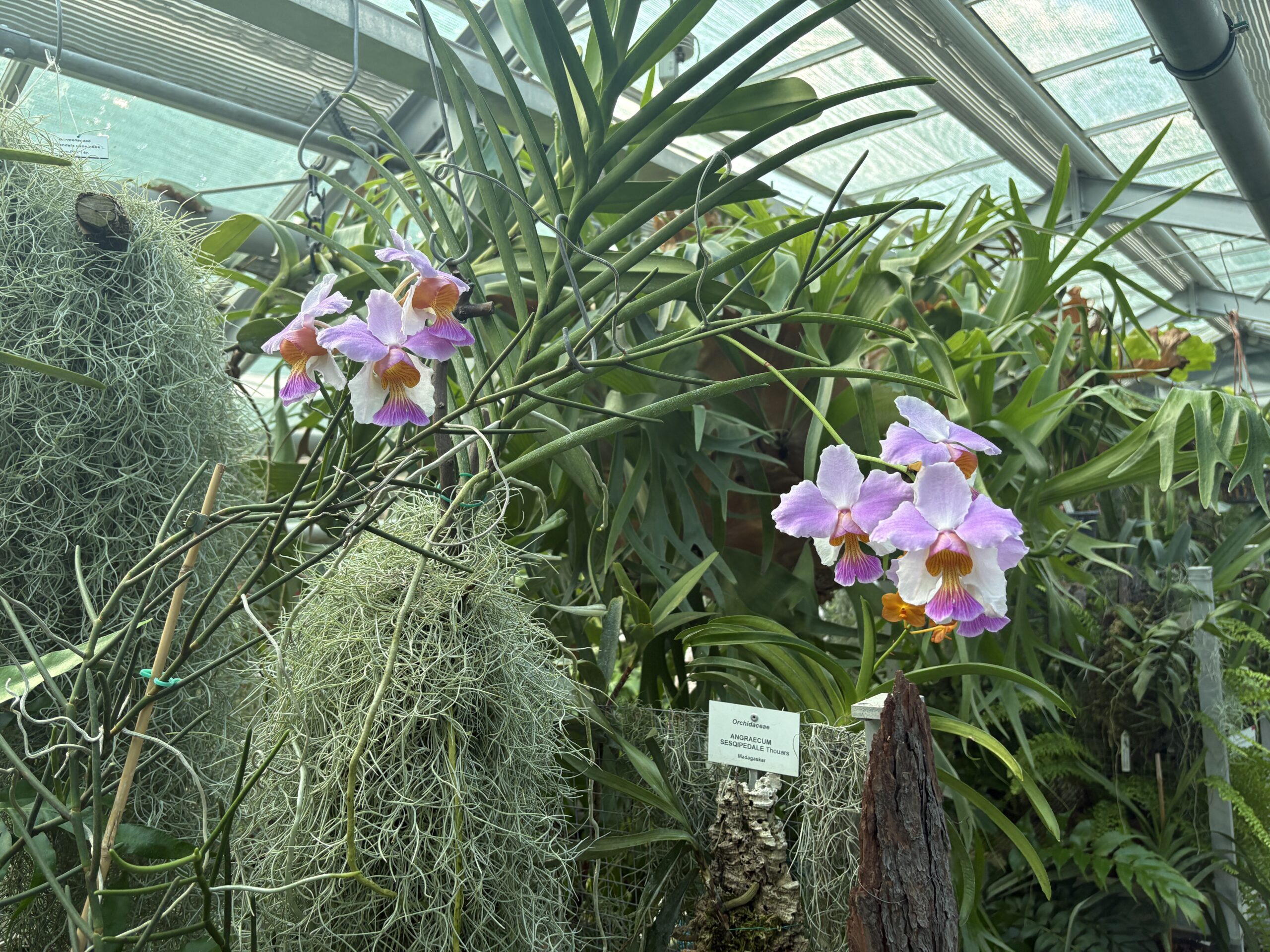
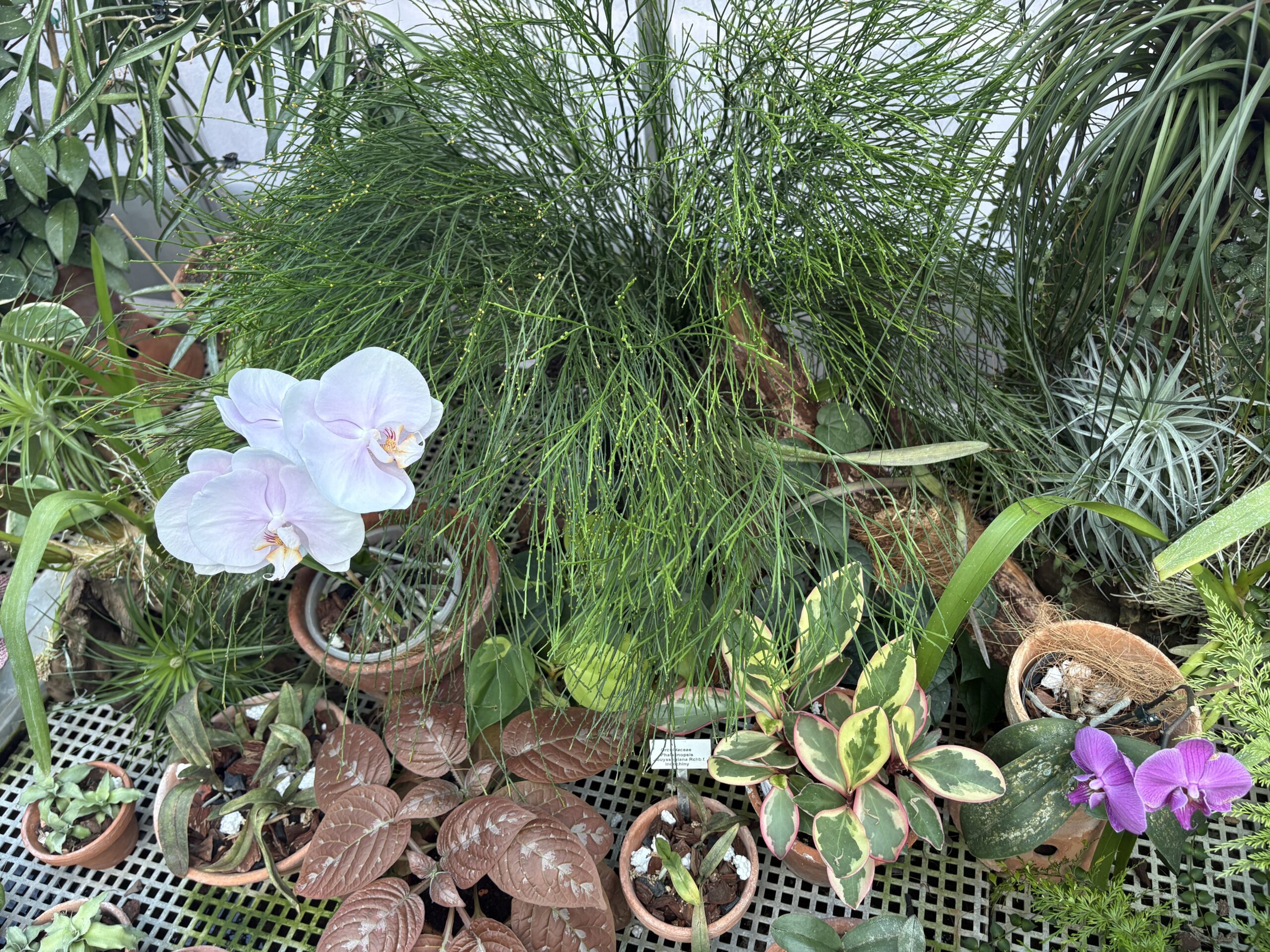
The importance of Józef Warszewicz deserves particular attention because his legacy can still be encountered among the living collections. Warszewicz was an important nineteenth-century plant collector who undertook expeditions in Central and South America and introduced numerous tropical plants into cultivation in Kraków. The Garden credits him with discovering approximately 300 new orchid species, while its orchid collection originated in large part from the tropical material he brought back during his expeditions. Although only one species from his original orchid collection, Cyrtopodium andersonii, survives vegetatively from that period, his influence remains evident in the Garden’s continuing commitment to orchids. The present orchid collection contains approximately 500 species and varieties and is described by the Garden as the oldest and richest collection of orchids among Polish botanical gardens. Warszewicz’s legacy therefore illustrates one of the recurring themes of historic botanical gardens: the living collection preserves traces of scientific exploration long after the original expedition has ended. A plant growing in a glasshouse today may consequently have a history extending through collectors, expeditions, botanical gardens and generations of cultivation. The Garden’s current Śladami Warszewicza (‘In the Footsteps of Warszewicz’) guide explicitly encourages visitors to explore this historical dimension, linking the plants and places within the Garden with the history of Polish botanical exploration.

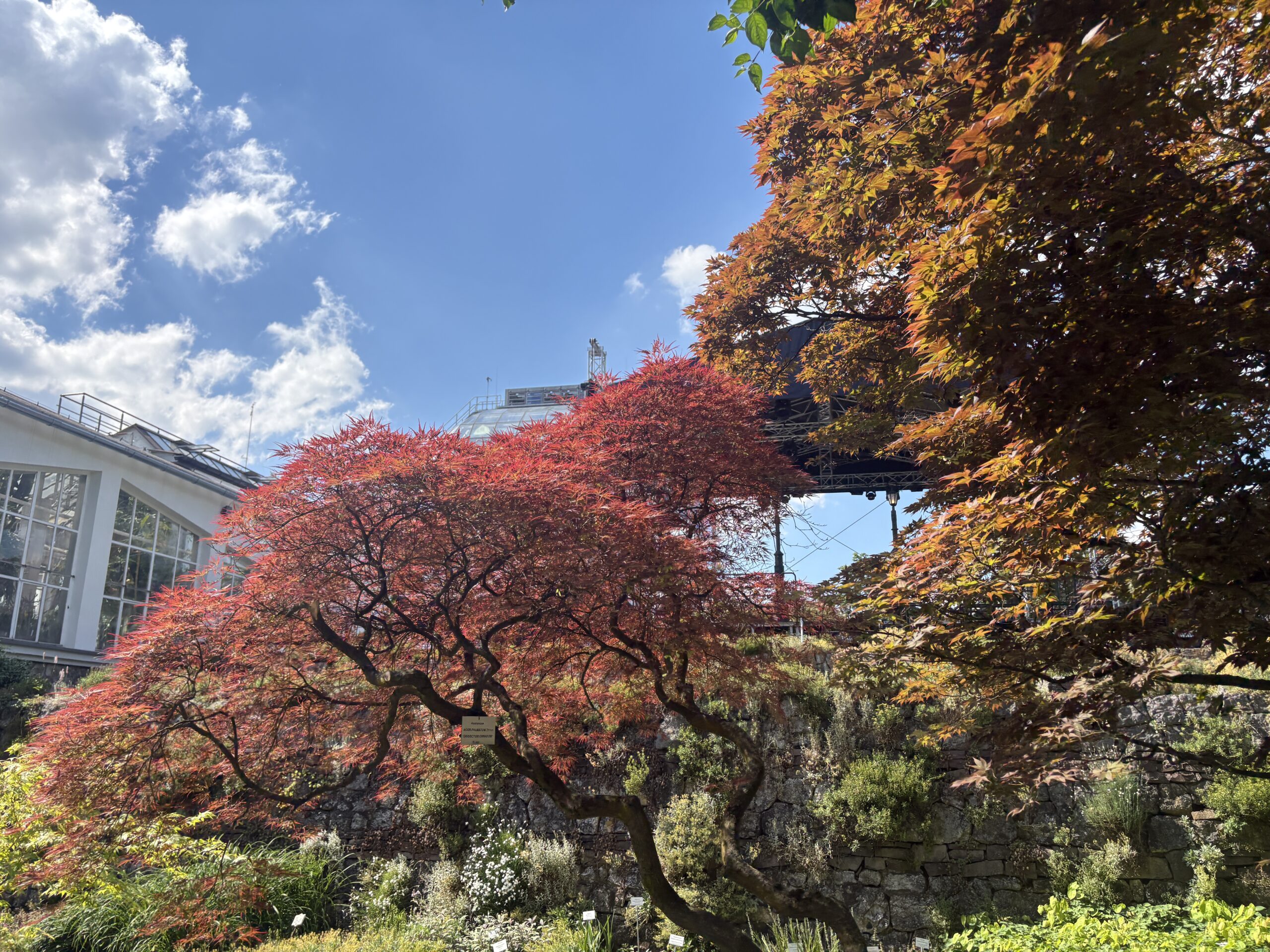
The arboretum forms the largest part of the Garden and provides a striking contrast with the highly controlled environments of the glasshouses. Here the collection focuses on trees and shrubs, with parts of the area arranged in the manner of a landscape park and other sections organised geographically or thematically. Plants from East Asia and North America are represented in geographical groupings, while ornamental collections, including lilacs, introduce an aesthetic component. The arboretum demonstrates particularly well how a botanical garden differs from a conventional public park. Although the overall experience can certainly be recreational, the planting is structured around scientific and educational objectives. The identity, geographical origin and relationships of the plants are central to the experience. Visitors are encouraged to look beyond the individual beauty of a tree or shrub and consider patterns of plant distribution, evolutionary relationships and adaptation. The Garden also contains a number of exceptionally old specimens, which add another temporal dimension to the collection. Perhaps the most impressive is the so-called ‘Jagiellonian Oak’, a pedunculate oak (Quercus robur) estimated to be approximately 260 years old. Two similarly aged specimens known as the ‘Śniadecki Dogwoods’ stand along the main avenue, while the Garden also contains Poland’s oldest black locust on the courtyard of Collegium Śniadeckiego. These trees transform the Garden into a living historical archive: their trunks and crowns represent decades or centuries of biological growth while their surroundings have repeatedly changed.

The Garden’s alpine collections provide another example of its scientific and conservation role. These areas recreate, within the limitations of a botanical garden, some of the environmental conditions experienced by plants at high elevations. The purpose is not simply aesthetic. The Garden states that its alpine sections are devoted to the preservation of mountain plants, while its research programme includes work on protected and endangered plants, particularly those from the Carpathians. This is significant in a region where mountain floras contain distinctive species and ecological communities that are sensitive to environmental change. An alpine garden also demonstrates one of the central challenges of botanical horticulture: plants cannot always be understood independently of the environmental conditions to which they are adapted. Temperature, moisture, soil characteristics, drainage and seasonal variation can all determine whether a plant can survive in cultivation. By bringing together species associated with mountain environments, the Garden can demonstrate these relationships while also maintaining living material that may have value for conservation, research and education. The collection therefore occupies an interesting space between horticulture and ex situ conservation. It is a cultivated landscape, but the cultivation itself can support the preservation and study of plant diversity.

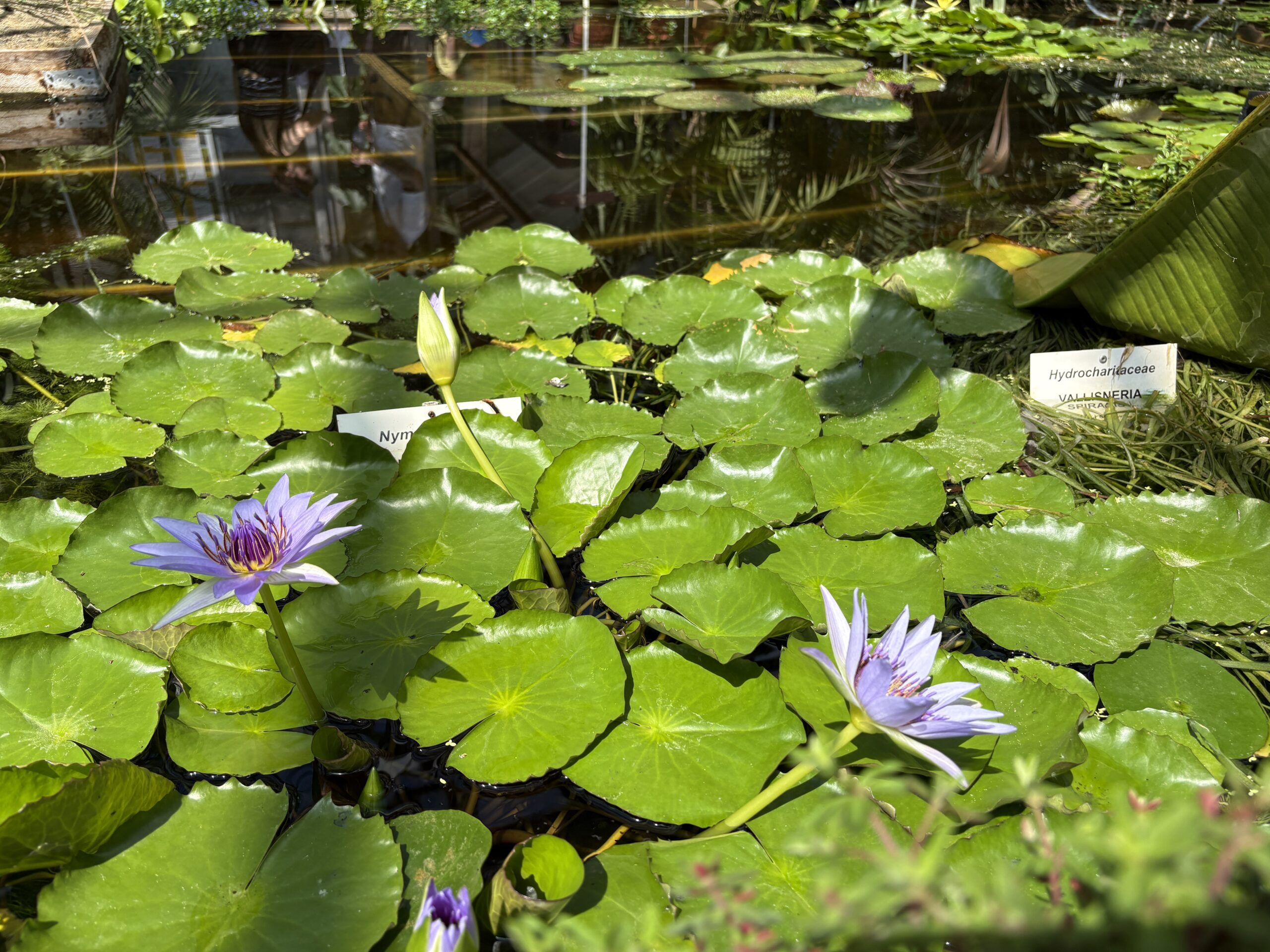
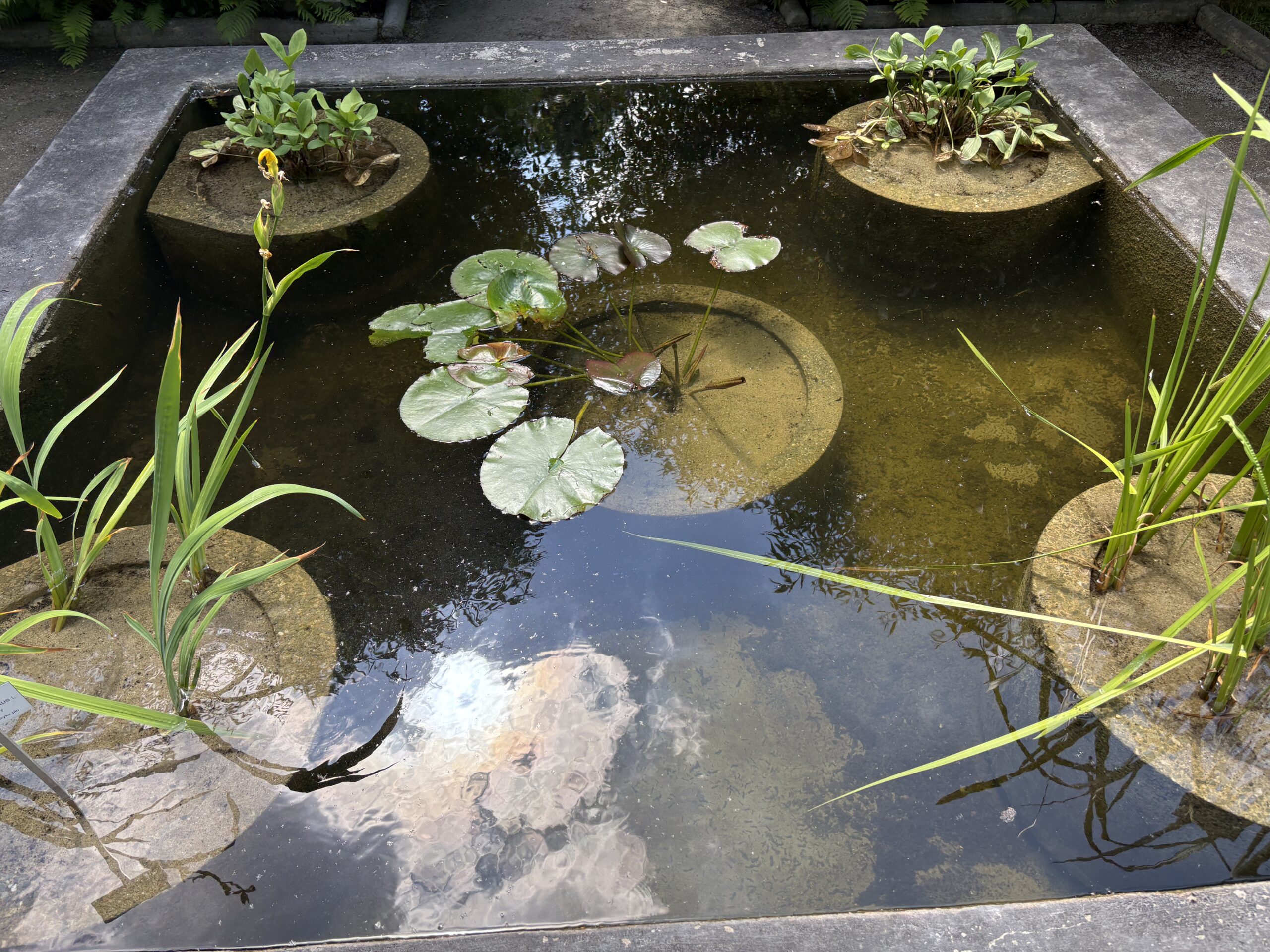
The aquatic plant collections extend this ecological approach into another specialised habitat. Water plants from temperate regions, predominantly native species, are cultivated in artificial lakes and pools. These displays are valuable because aquatic plants are often poorly represented in conventional botanical gardens, where visitors may concentrate on terrestrial plants, flowers and trees. The ponds instead demonstrate that aquatic environments support their own distinctive plant communities and that plant morphology is closely related to the physical environment. Floating, submerged and emergent plants occupy different ecological positions and possess different structural adaptations to life in and around water. The water gardens consequently complement the Garden’s terrestrial collections by showing another expression of plant diversity. They also contribute to the overall experience of the site by introducing reflective water surfaces, changes in vegetation structure and habitats for other organisms. In this respect, the Garden is not merely a collection of plants but a collection of living habitats, in which individual specimens are incorporated into larger ecological assemblages.

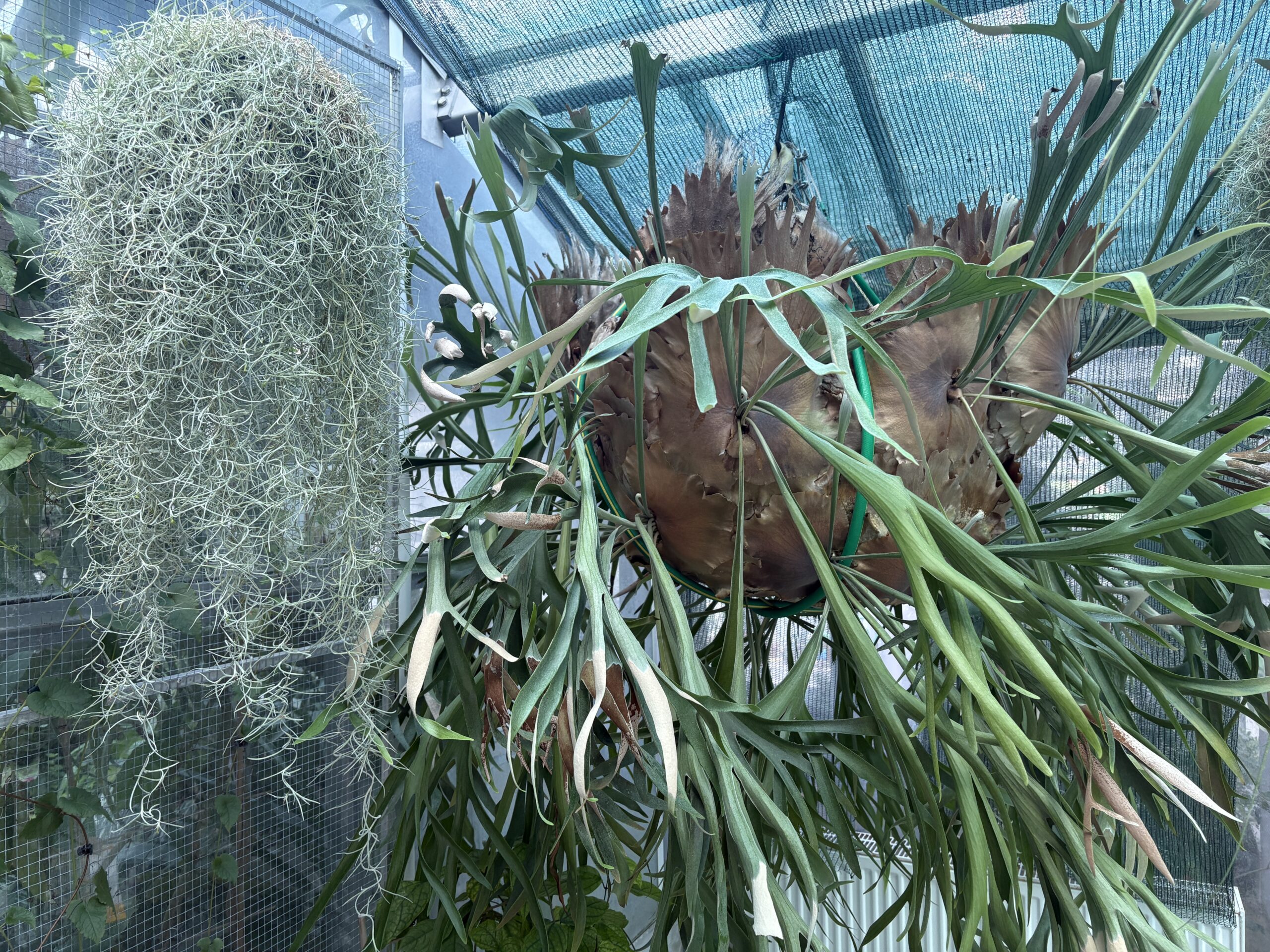
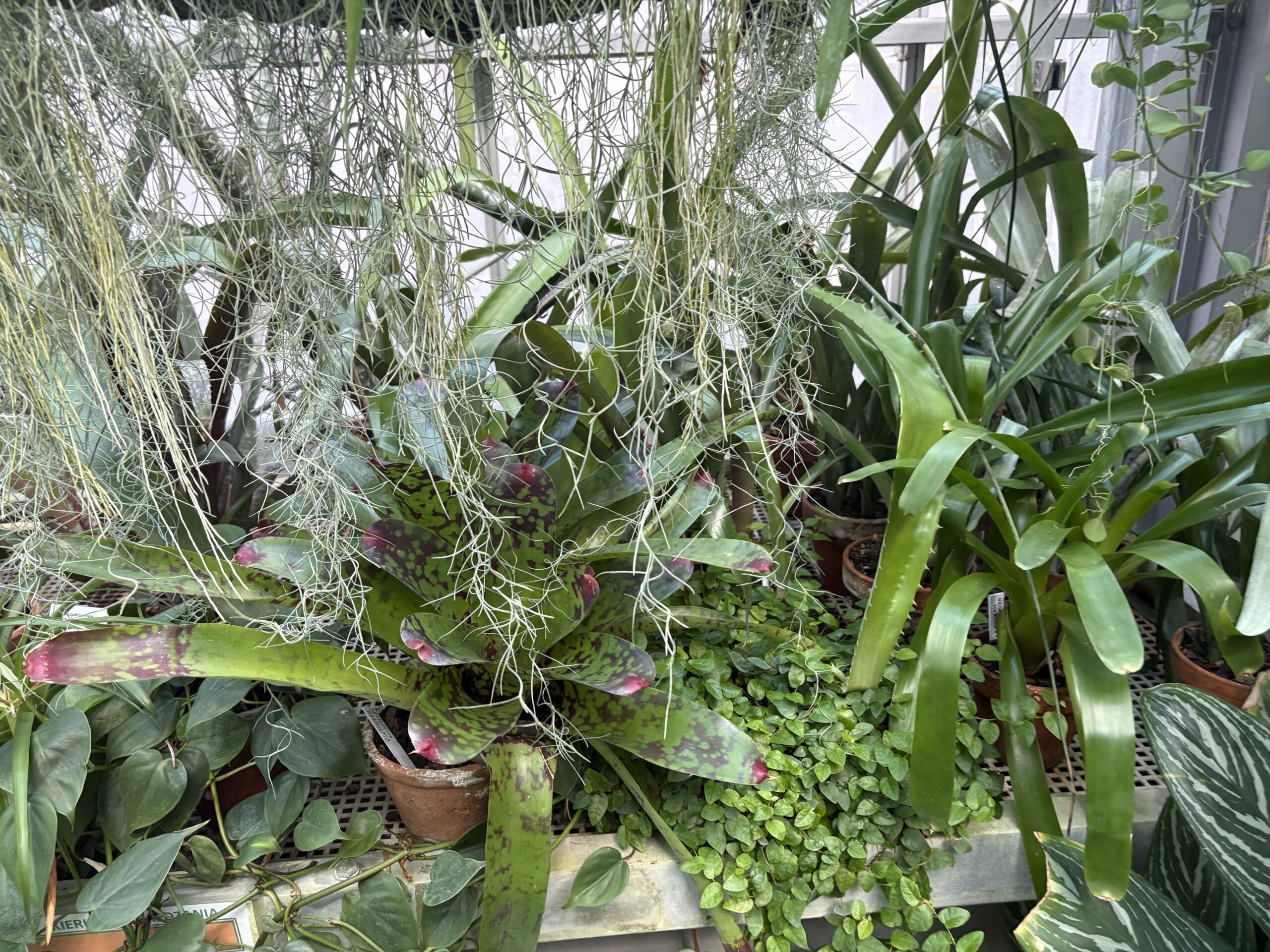
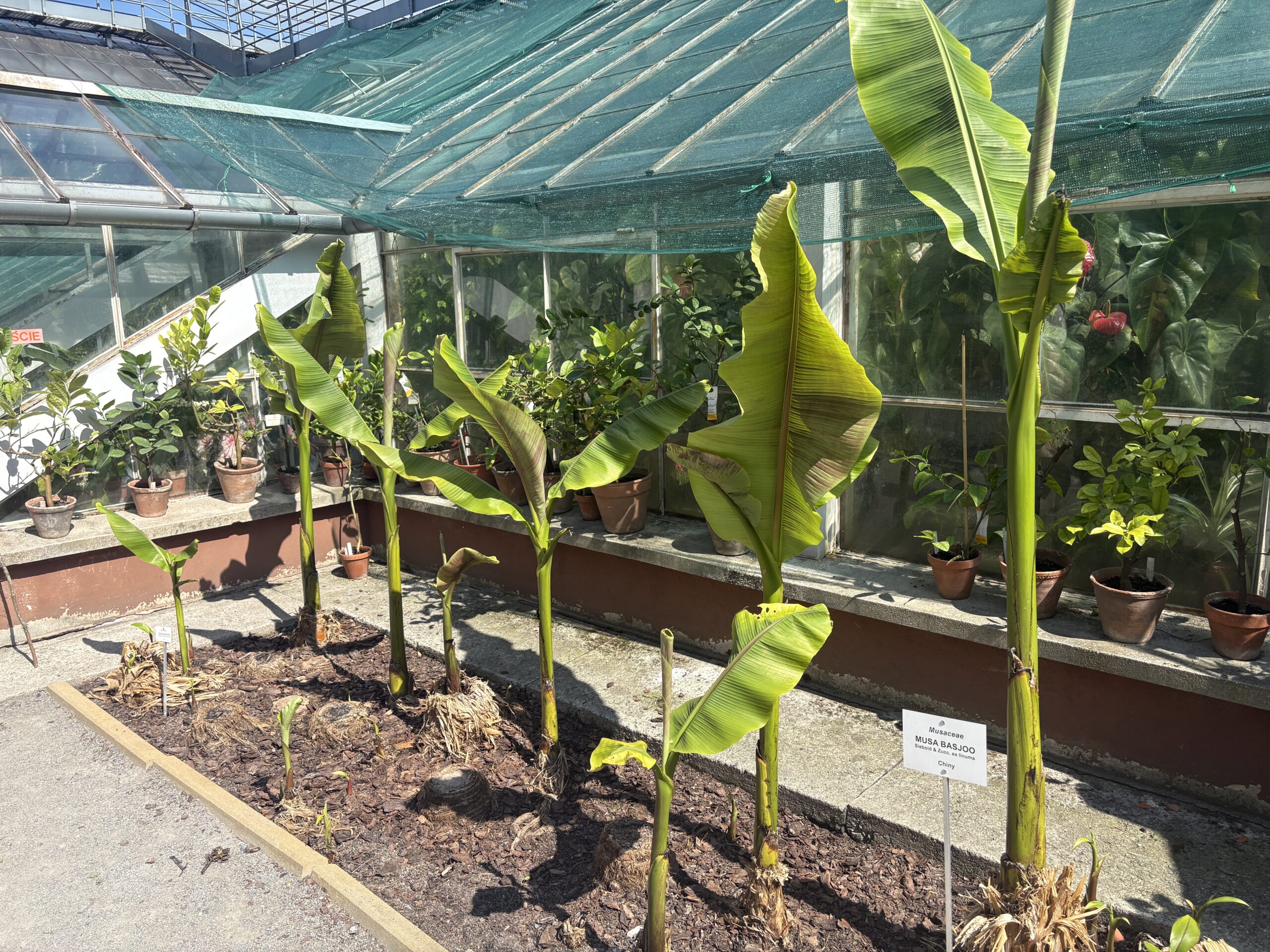
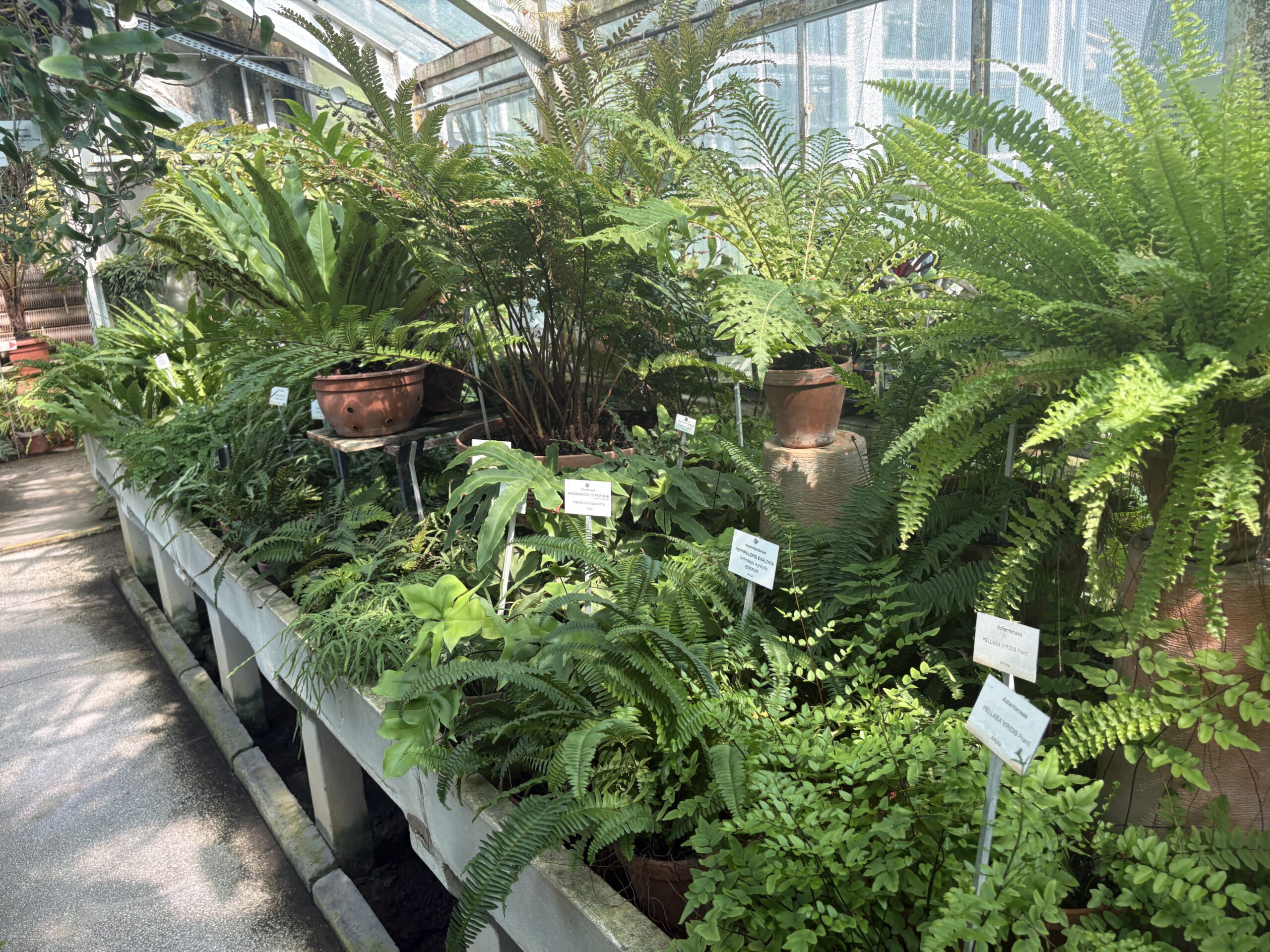
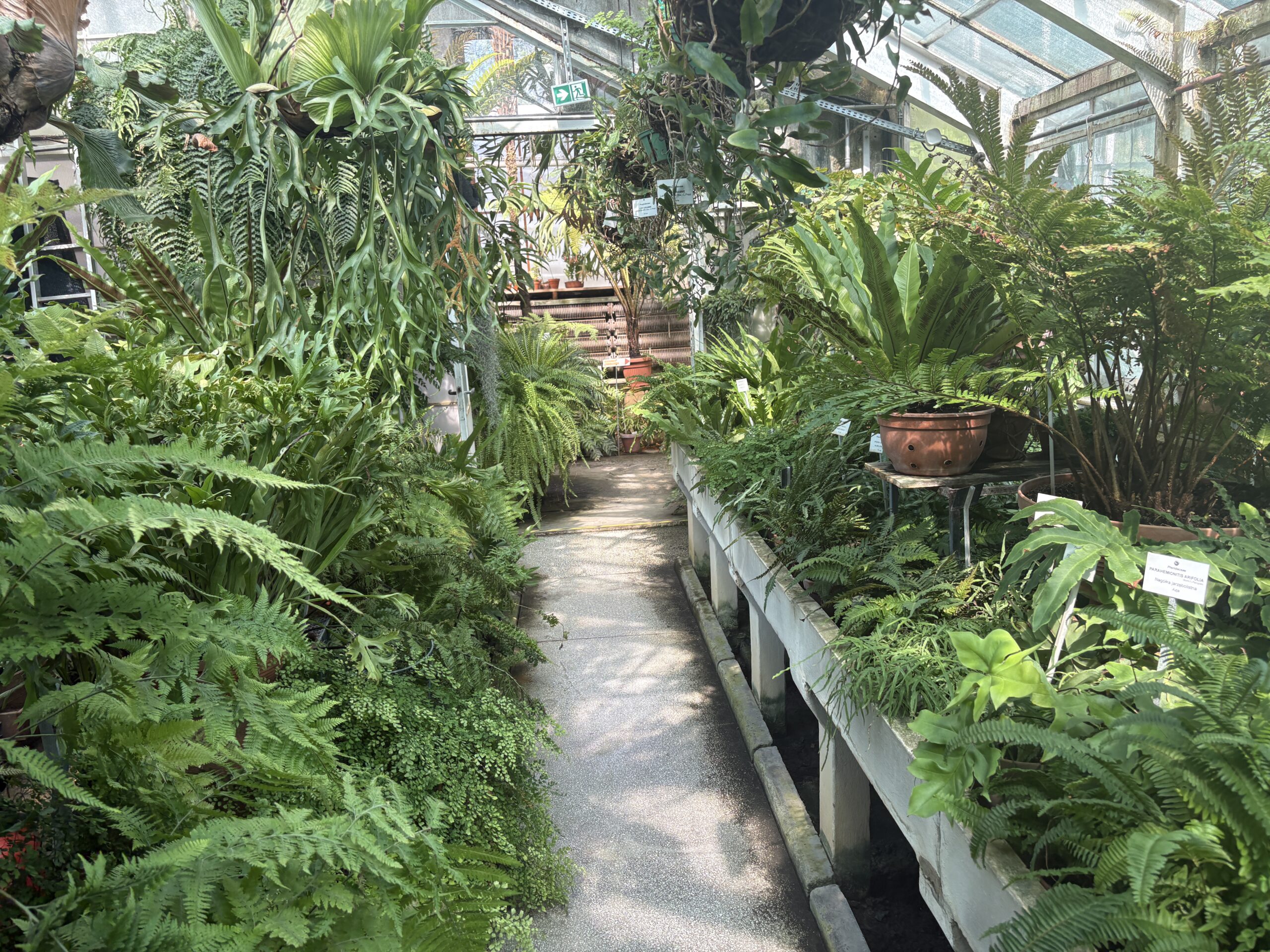
One of the most spectacular elements of the Garden is undoubtedly its collection of glasshouses, which make it possible to cultivate plants that could not survive Kraków’s temperate climate outdoors. The tropical collection is maintained principally in three structures: Victoria, the Dutch glasshouse (Holenderka) and the Jubilee glasshouse (Jubileuszowa). Victoria has existed since the earliest history of the Garden and takes its name from the giant water lily cultivated in its pond. The Dutch glasshouse is a smaller structure designed particularly for epiphytes, orchids and other rare plants that require controlled conditions; it is not ordinarily open to visitors. The Jubilee glasshouse, opened in 1964 to commemorate the 600th anniversary of the Jagiellonian University, contains both a palm house and a long glasshouse divided into compartments for different groups of plants. Together these buildings demonstrate the extent to which a botanical garden can manipulate environmental conditions to maintain plants from climates radically different from that of southern Poland. They are also architectural manifestations of the historical importance attached to the cultivation of exotic plants.

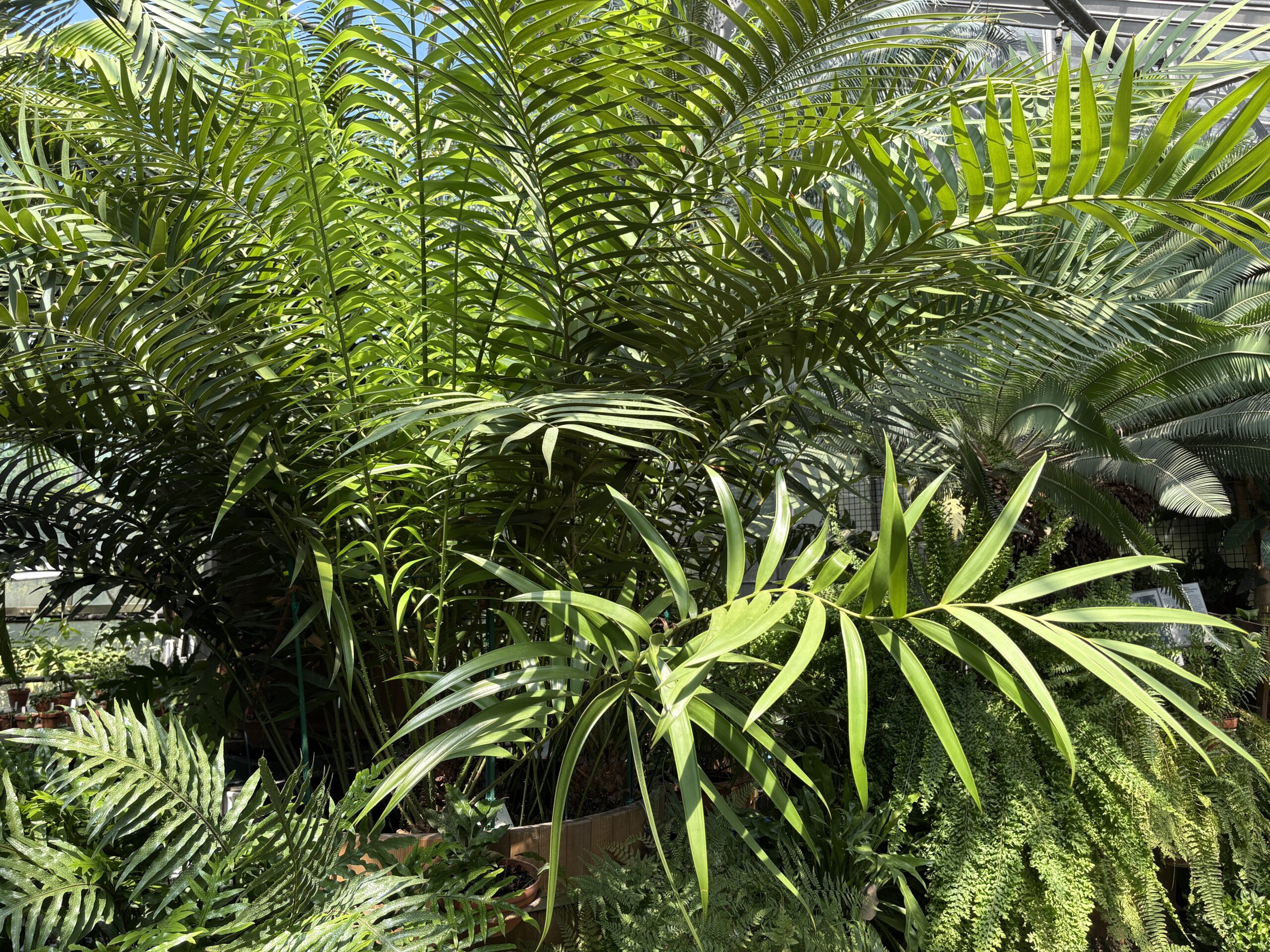
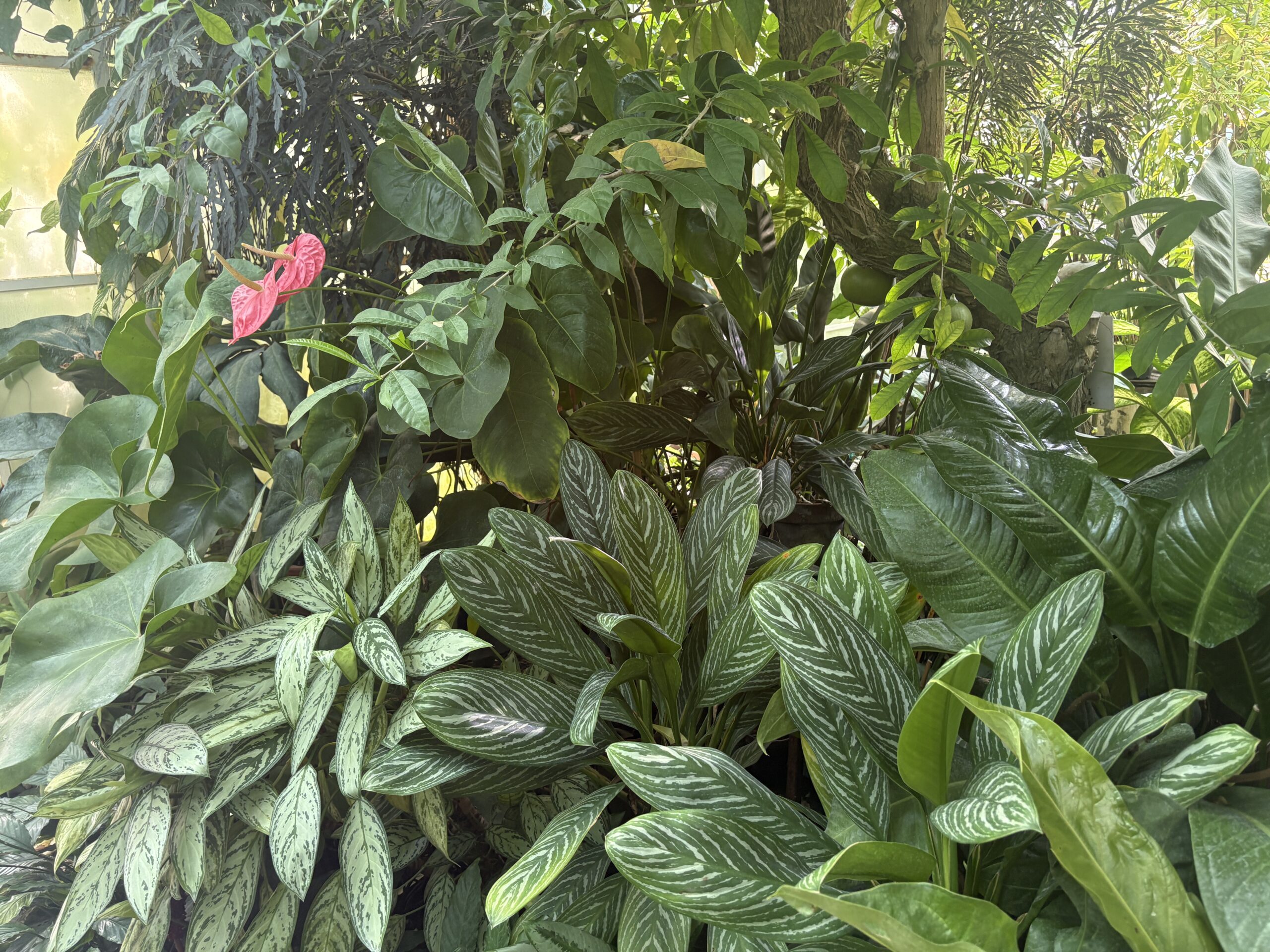
The Victoria glasshouse is particularly important because of its combination of historical continuity and horticultural spectacle. The presence of the water lily for which the building is named provides an immediate visual focus, but the wider collection demonstrates the enormous differences between tropical plant communities and the vegetation encountered outside in Kraków. Palms, broad-leaved tropical plants, epiphytes and other exotic species create an environment in which temperature, humidity and light are markedly different from those outside the glasshouse. The experience is consequently not simply one of looking at unusual plants; it involves a perceptible change of environment. This makes the glasshouse one of the most effective educational spaces in the Garden because visitors can physically experience, albeit artificially, the climatic conditions under which many tropical plants have evolved. The long-lived specimens further strengthen the historical dimension. The Garden records a Canary Island date palm in the Victoria winter garden that is more than 170 years old, making it a living link with nineteenth-century horticulture. Such plants are more than decorative specimens: their survival records the continuity of cultivation practices and the expertise required to maintain them over many decades.

The cycad collection provides another particularly valuable example of the scientific importance of the glasshouses. Cycads are among the most ancient surviving lineages of seed plants, belonging to a group whose evolutionary history extends deep into the Mesozoic and whose fossil record provides evidence of a much greater diversity than exists today. Although they are sometimes described loosely as “living fossils”, this term can be misleading if it suggests that modern cycads have remained evolutionarily unchanged. Like all living organisms, cycads have continued to evolve, and the species present today represent the surviving branches of a much older evolutionary lineage. Their distinctive combination of a stout trunk, crown of large compound leaves and often spectacular reproductive structures makes them immediately recognisable, but their real scientific significance lies in what they reveal about the evolution of seed plants. The Garden’s collection contains approximately 60 species, making it one of the largest and oldest cycad collections in this part of Europe. Such a collection is remarkable in a temperate botanical garden because cycads are predominantly associated with warm regions of the world, particularly tropical and subtropical environments. Their cultivation therefore depends heavily upon the glasshouses, which provide temperatures and growing conditions that cannot normally be maintained outdoors in Kraków. The collection consequently illustrates one of the fundamental purposes of botanical glasshouses: they enable a garden to maintain representatives of plant lineages whose natural climatic requirements are incompatible with the local environment. The age of some of the specimens adds another dimension to their importance. Several are more than 150 years old, meaning that they have been cultivated through numerous generations of gardeners, botanists and horticultural practices. A mature cycad is not simply a larger version of a young plant. Many species grow slowly and can take decades to reach reproductive maturity, while individual plants can survive for many decades or even centuries under favourable conditions. Consequently, an old cycad represents an enormous investment of time. Its survival provides continuity between present-day botanical research and the work of nineteenth-century horticulturalists who first cultivated it.

Some of the Garden’s specimens are also believed to have originated from natural populations, further increasing their historical and scientific value. The distinction between a plant collected directly from the wild and one propagated through many generations in cultivation can be important for botanical research. Wild-origin material may preserve genetic characteristics that have subsequently become uncommon or lost in cultivated populations. At the same time, historically cultivated plants can themselves become valuable genetic resources because they may represent lineages that have been maintained outside their natural habitats for many decades. The reproductive biology of cycads makes the presence of mature plants particularly significant. Cycads are dioecious, meaning that individual plants are generally either male or female. Unlike many flowering plants, therefore, a single individual cannot normally produce both pollen and seeds. Successful sexual reproduction requires male and female plants to occur sufficiently close together and to reproduce at compatible times. The presence of mature male and female specimens within the Garden’s collection consequently creates opportunities for controlled pollination and propagation that would not necessarily exist in a collection composed predominantly of young or single-sex plants. This has practical implications for conservation as well as horticulture. Botanical gardens increasingly function as repositories for threatened plant diversity, maintaining ex situ populations that can complement conservation in the wild. Cycads are particularly relevant to this role because many species have restricted geographical distributions and face threats from habitat destruction, over-collection and other forms of human pressure. Maintaining genetically diverse living collections can provide a safeguard against the loss of wild populations, although ex situ cultivation cannot substitute for protecting species within their natural ecosystems.

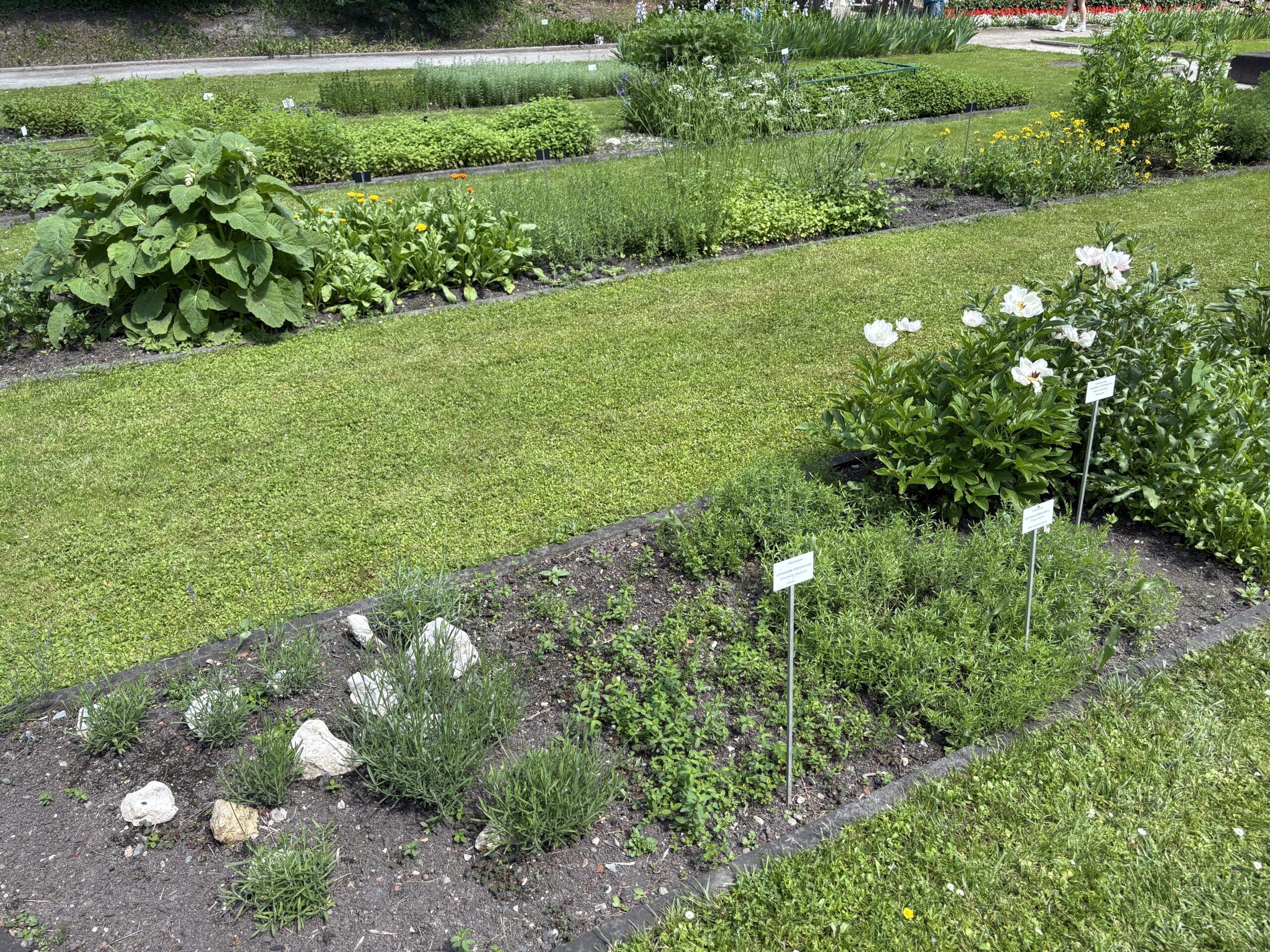
The Garden’s medicinal and useful-plant collections provide a different kind of educational experience. The Garden specifically notes the strong visitor interest in medicinal plants and also cultivates vegetables, fruit plants, seasoning herbs, fibre crops, dye plants and honey-producing species. This is an important reminder that botany has historically been inseparable from human society. Plants are sources of food, medicines, fibres, dyes, flavourings and countless other materials, and the organisation of useful plants provides a direct connection between botanical knowledge and everyday life. Such a collection can also demonstrate the distinction between a plant’s cultural significance and its biological characteristics. A medicinal plant may be valued because of particular compounds, while a fibre plant is important because of the physical properties of its tissues. The display therefore provides opportunities to discuss plant chemistry, ethnobotany, agriculture and economic botany alongside conventional taxonomy. In an era when many visitors may encounter plants primarily as ornamental objects, the useful-plant collections restore some of the practical context that historically motivated botanical study. The scientific function of the Garden remains central despite the importance of public visitation. Research conducted there is closely connected with the programme of the Institute of Botany and encompasses taxonomy, plant geography, ecology, the history of botany and studies of protected and endangered species, particularly those associated with the Carpathians. This breadth is significant. A modern botanical garden is not simply a place where plants are grown according to horticultural preference; it is an infrastructure for maintaining living material that can support scientific investigation. Plant identity must be verified, specimens must be documented and cultivated material must be maintained under appropriate conditions. The Garden’s collections can consequently contribute to research questions ranging from the distribution of species to the ecology and conservation of threatened plants. Its relationship with the Institute of Botany also means that research and teaching are institutionally integrated rather than operating as separate activities. The living collections are therefore both the subject and the tool of botanical education.

The Garden’s connection with the history of Polish botanical science is reinforced by its museum. Established in 1983, the Botanic Garden Museum contains approximately 5,000 objects, including exotic fruits, seeds, wood, fossil plants and historic teaching equipment. Its archival section contains material relating to the history of Polish botany. This museum component is particularly important because it prevents the Garden’s historical significance from being dependent solely upon surviving living plants. Plants have finite lifespans, collections change and individual specimens eventually die, but herbarium material, objects, instruments, photographs and archival records can preserve evidence of earlier botanical practice. The museum therefore provides a documentary counterpart to the living collection. The Garden’s history can be encountered through both biological specimens and the material culture of science. The careers of botanists such as Raciborski and Szafer can likewise be reconstructed through objects and archival material, helping visitors understand that the Garden is the product of generations of scientific work rather than a static historic landscape.

An especially evocative piece of the Garden’s history is preserved in the film made by the celebrated Polish nature photographer and filmmaker Włodzimierz Puchalski (1909–1979) in 1967–1968. The film, At the Kraków Botanical Garden, featured Professor Władysław Szafer, one of Poland’s most distinguished botanists and an important figure in the development of nature conservation. By the time of filming, Szafer was 90 years old, yet the film records him moving through the Garden and engaging with the living collections that had been so closely associated with his scientific career. Puchalski had known Szafer for many years and had previously worked with him at the Jagiellonian University, photographing plants, animals and natural landscapes. The resulting footage therefore has significance beyond its value as a botanical record: it captures a meeting between two generations and traditions of Polish natural history, linking Szafer’s scientific and conservation work with Puchalski’s pioneering approach to communicating nature through photography and film. The story of Marian Raciborski and Szafer is particularly illustrative of this scientific continuity. Raciborski, a specialist in systematics and phytogeography and an important figure in Polish palaeobotany, directed the Garden between 1912 and 1917 and founded the Botanical Institute of the Jagiellonian University in 1913. His work demonstrates the close relationship between the Garden and the development of institutional botany. Szafer subsequently directed the Garden for more than four decades and was an influential phytogeographer, palaeobotanist and advocate of nature conservation. The Garden credits him with expanding its collections and creating a small educational exhibition for students. His wider contribution to Polish conservation, including his involvement in establishing national parks and nature reserves, reinforces the connection between botanical gardens and the development of modern conservation thinking. The Garden thus contains a history not only of plant collecting but also of changing ideas about how nature should be studied and protected.

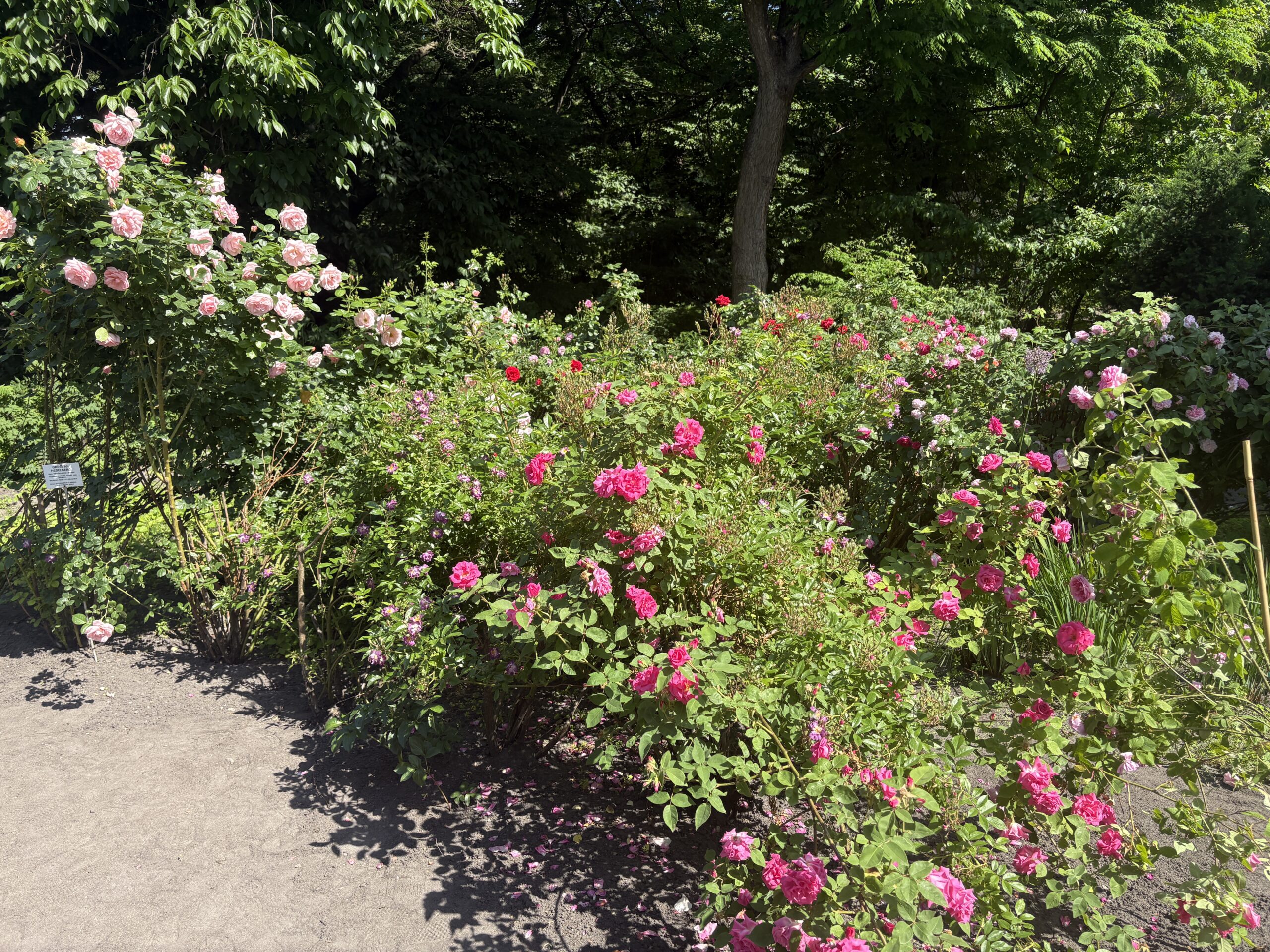
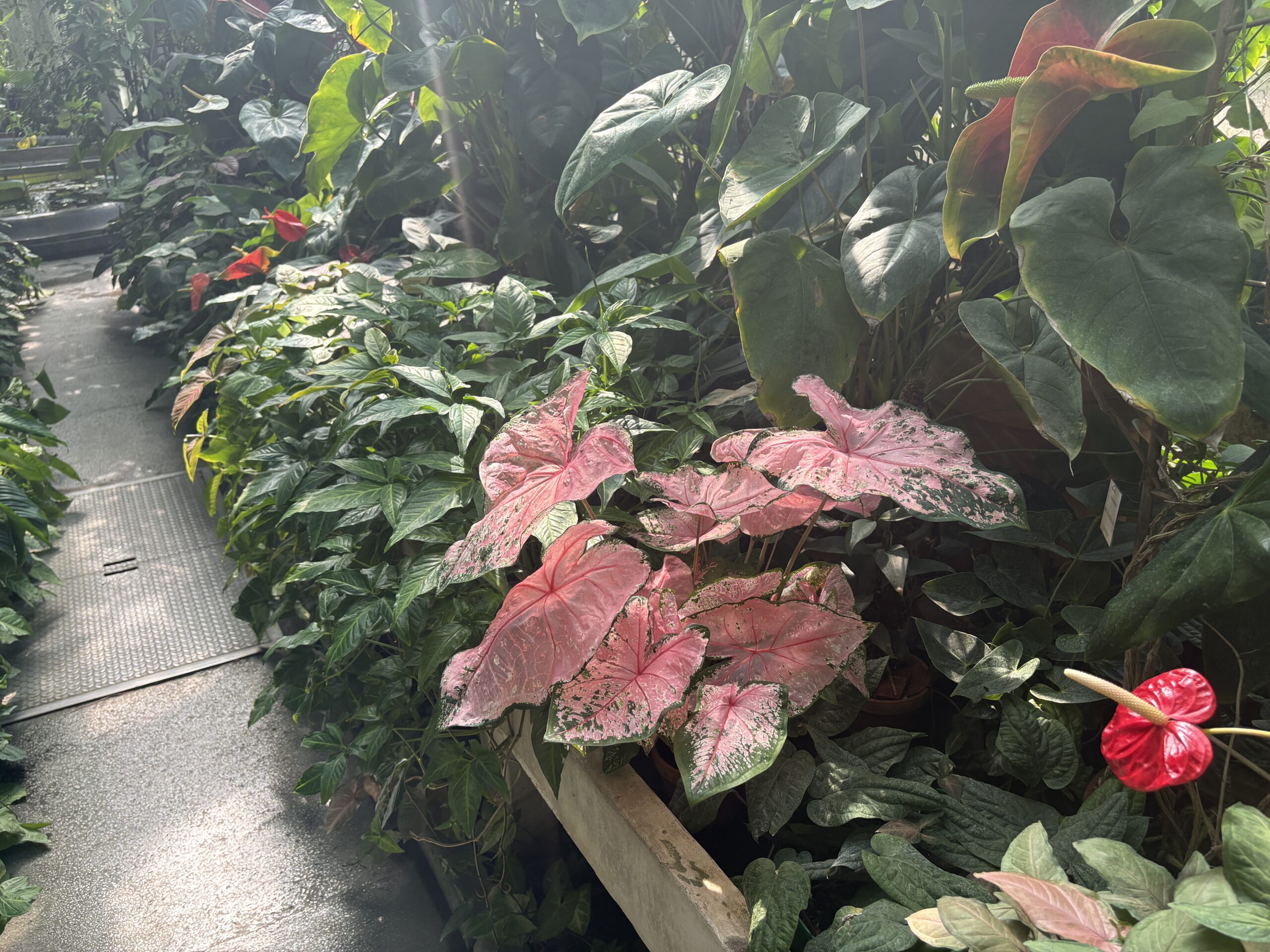
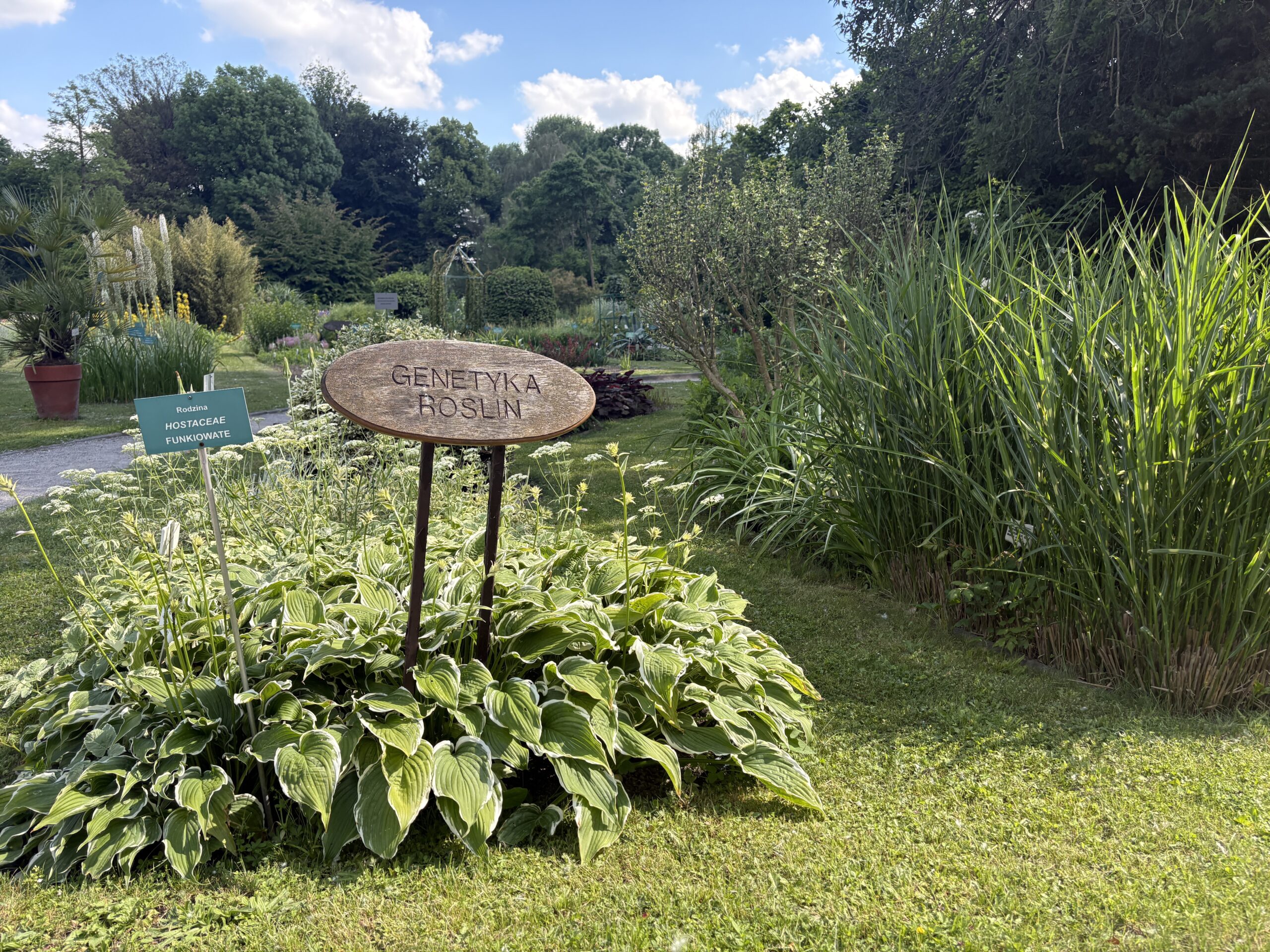
The aesthetic experience of the Garden should not be underestimated. Scientific botanical gardens can sometimes be discussed almost exclusively in terms of their collections, research and educational functions, yet the Kraków Garden is also an exceptionally attractive landscape. The arboretum, ornamental plantings, ponds, glasshouses and historic buildings combine to create a succession of different visual and environmental experiences. Seasonal change is particularly important. Unlike a conventional museum, in which the same exhibit is essentially fixed throughout the year, a botanical garden changes continuously. Spring flowering, summer growth, autumn colour and winter dormancy produce different versions of the collection. This temporality is one of the Garden’s greatest attractions and one of the fundamental differences between a living collection and a conventional museum collection. The visitor does not simply encounter the same exhibits repeatedly; the plants themselves develop, flower, fruit, shed leaves and change in response to environmental conditions. A return visit can consequently constitute a genuinely different encounter with the same collection. I am tempted to go back at a different time of the year as not many of the flowers were still in bloom upon my visit in early June, as a consequence of the dry and warm summer. However, the glasshouses were full of colour.

There is also a strong cultural dimension to the Garden. Its historic landscape has been associated with the intellectual life of Kraków for more than two centuries, and the Garden describes itself as a place of scientific research, education and cultural inspiration. Its role as a setting for exhibitions, artistic events and public activities demonstrates that botanical gardens can operate as cultural spaces as well as scientific institutions. Historical photography has also contributed to this dimension. For example, the Garden has exhibited colour autochromes of the site taken almost a century ago by Jan Zdzisław Włodek, providing a remarkable visual record of the Garden in an earlier period. Such material reinforces the idea that the site itself is an historical artefact. Visitors are not simply walking through a collection of plants; they are moving through a landscape that has been repeatedly reshaped by botanists, gardeners, architects, students and visitors over more than two centuries. The Garden’s conservation role is perhaps one of the most important aspects of its modern identity. Botanical gardens occupy a distinctive position in plant conservation because they can maintain living populations outside their natural habitats. The Kraków Garden’s alpine collections, work with protected and endangered plants and long-term specialist collections all contribute to this broader function. Yet ex situ cultivation should not be regarded as a substitute for protecting plants in their natural ecosystems. A plant growing successfully in a glasshouse or alpine bed represents only part of the conservation challenge. Maintaining genetic diversity, understanding ecological requirements and protecting natural habitats remain essential. The Garden’s research programme provides an opportunity to connect these different dimensions. Studies of plant geography, ecology and threatened species can help explain why conservation is necessary, while the living collection provides a practical means of maintaining and studying some of the organisms concerned. The result is a model in which conservation, research and education reinforce one another.

One of the most compelling aspects of the Botanical Garden of the Jagiellonian University is therefore its ability to make scientific history visible without becoming a museum frozen in the past. Its 1783 foundation is everywhere apparent, whether in the historic layout, old trees, glasshouses, museum collections or the legacy of former directors and plant collectors. Yet the Garden remains a living and changing institution. Plants are cultivated, collections are expanded, scientific questions evolve and educational activities continue. Recent developments also demonstrate that historic preservation and modernisation are not necessarily incompatible. The new Józef Warszewicz Orangery, for example, seeks to recreate the dimensions of the nineteenth-century palm house while incorporating modern energy-efficient systems, accessibility measures and educational facilities. It also houses the Milin Cafe, where visitors can get coffee, matcha, and lemonade surrounded by the Gardens. I took this time to visit the gift shop, have some lunch and a refreshing beer in the sunshine. The building also houses elements of the historical tropical plant collection associated with Warszewicz and provide space for educational activities concerning Polish botanical exploration.

Ultimately, the Botanical Garden of the Jagiellonian University is best understood as a ‘living museum’ in the fullest sense of the term. The Garden therefore represents not simply 240 years of continuous cultivation but a material history of Polish botanical science. Its trees, glasshouses, herbarium specimens, pathways and collections all form part of a scientific landscape created by successive generations of botanists. The enormous Phoenix canariensis in the Victoria Greenhouse, for example, is not merely an impressive horticultural specimen; it is a surviving biological link to nineteenth-century cultivation. Likewise, the Garden’s tropical collections preserve the legacy of nineteenth-century plant exploration, while its native plant collections reflect the later development of Polish plant geography and conservation biology. Seen in this context, the Botanical Garden of the Jagiellonian University is best understood as a living historical archive. Unlike a conventional museum, its objects are not static. Plants continue to grow, reproduce, die and sometimes become replaced by descendants. Yet the collection retains a remarkable continuity because successive generations have maintained and developed it. A tree planted more than a century ago can therefore occupy the same physical space in which generations of students, researchers and visitors have encountered it. This continuity is perhaps the most remarkable feature of the Garden’s history. Institutions devoted to science inevitably change as scientific knowledge changes, but the Garden allows those changes to be seen physically. The eighteenth-century emphasis on medicinal and useful plants, the nineteenth-century fascination with global botanical diversity, the development of systematic and geographical botany, the twentieth-century emphasis on native flora and conservation, and the contemporary concern with biodiversity loss are all represented within the same landscape. More than two centuries after its foundation, the Garden remains what its founders intended it to be: a place in which the diversity of the plant kingdom can be cultivated, studied, taught and experienced directly.

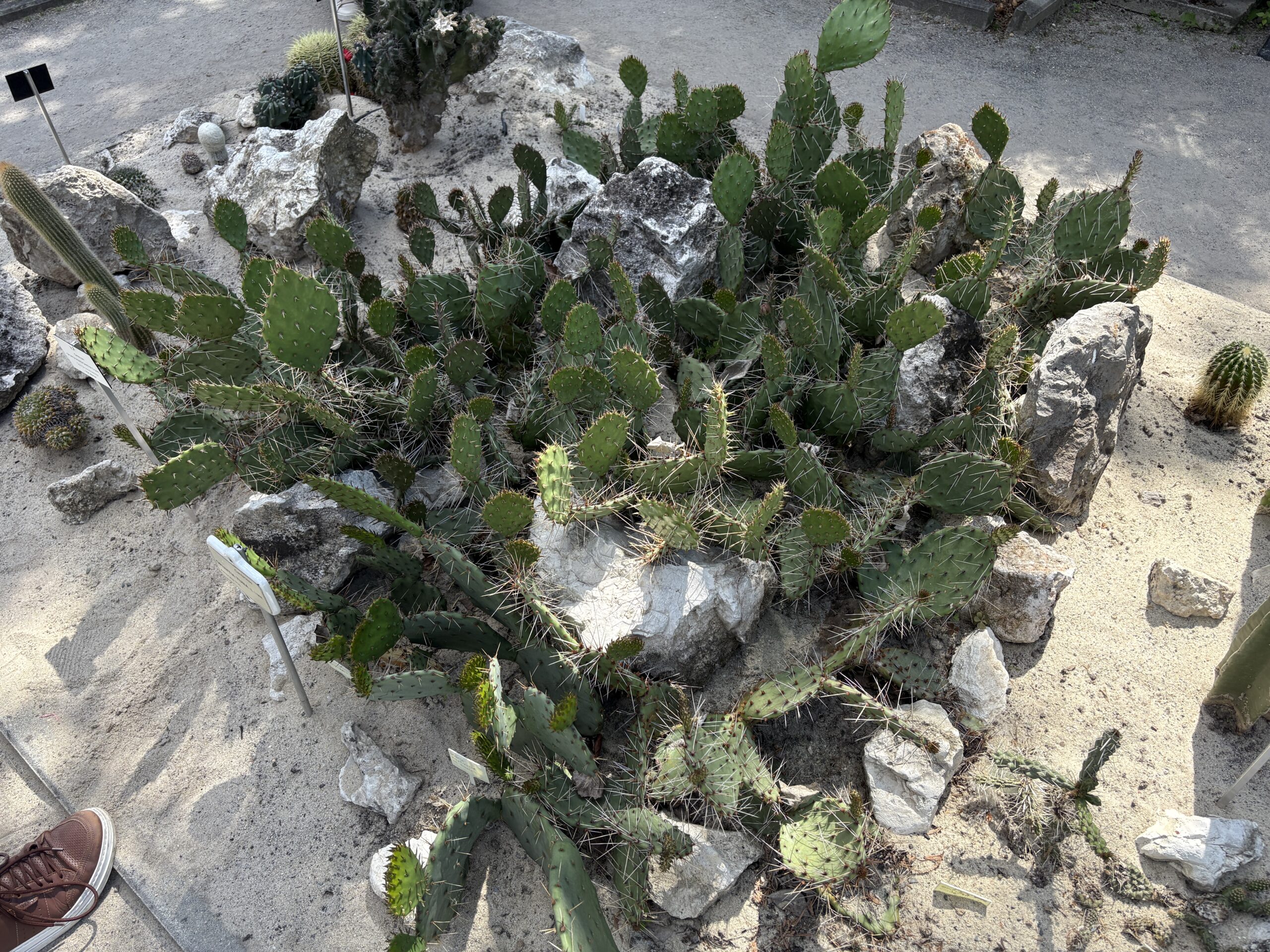
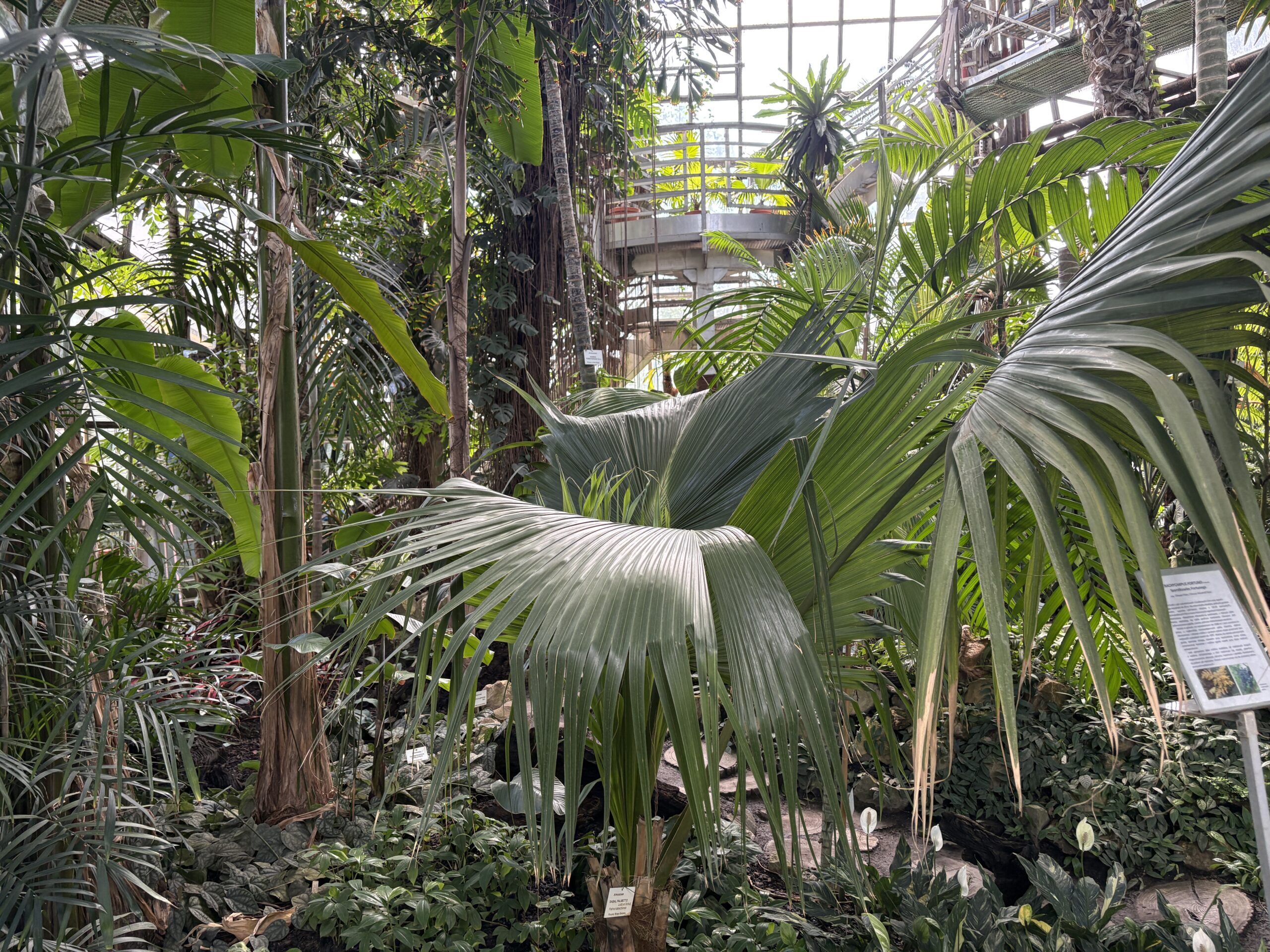
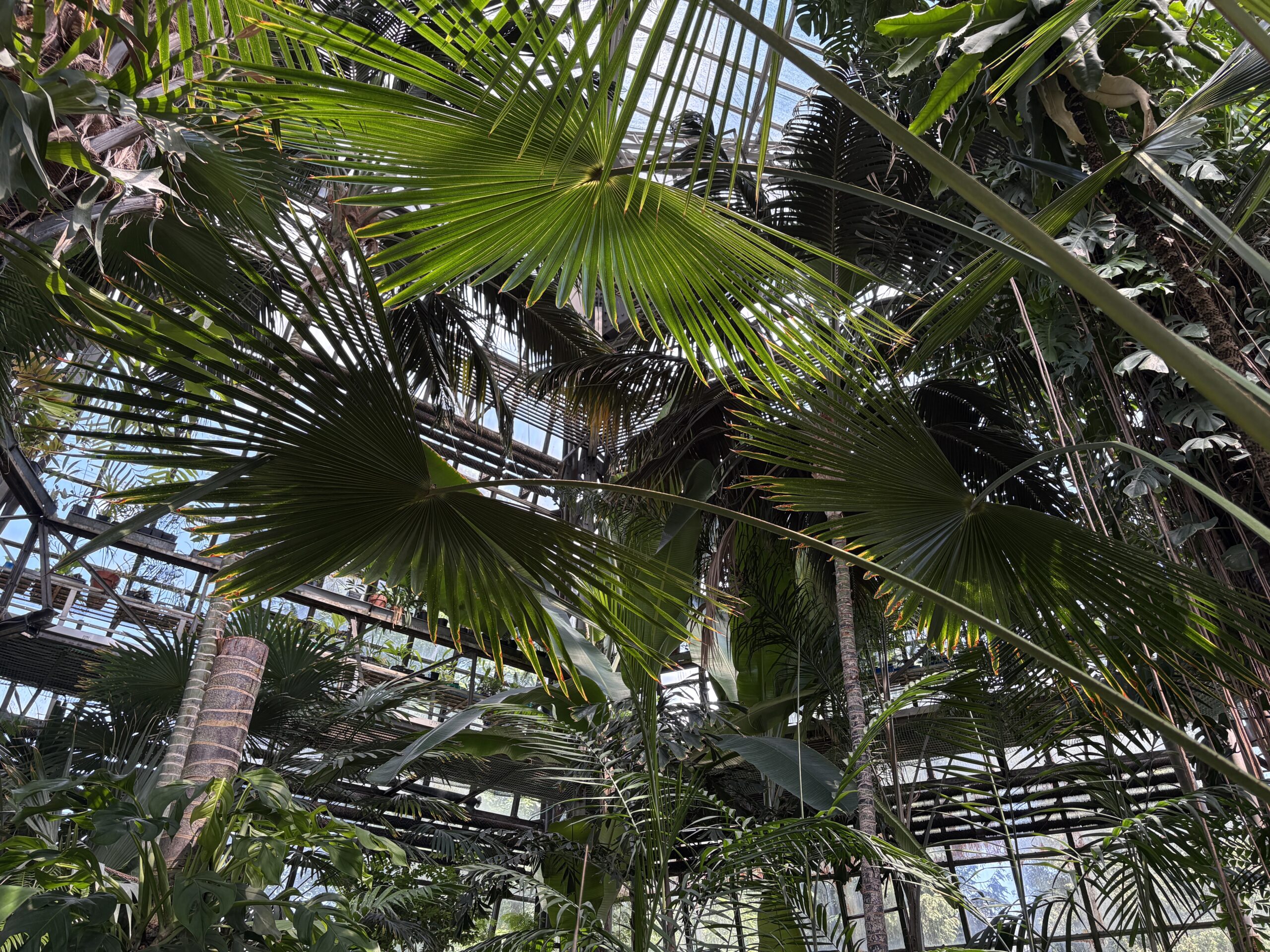
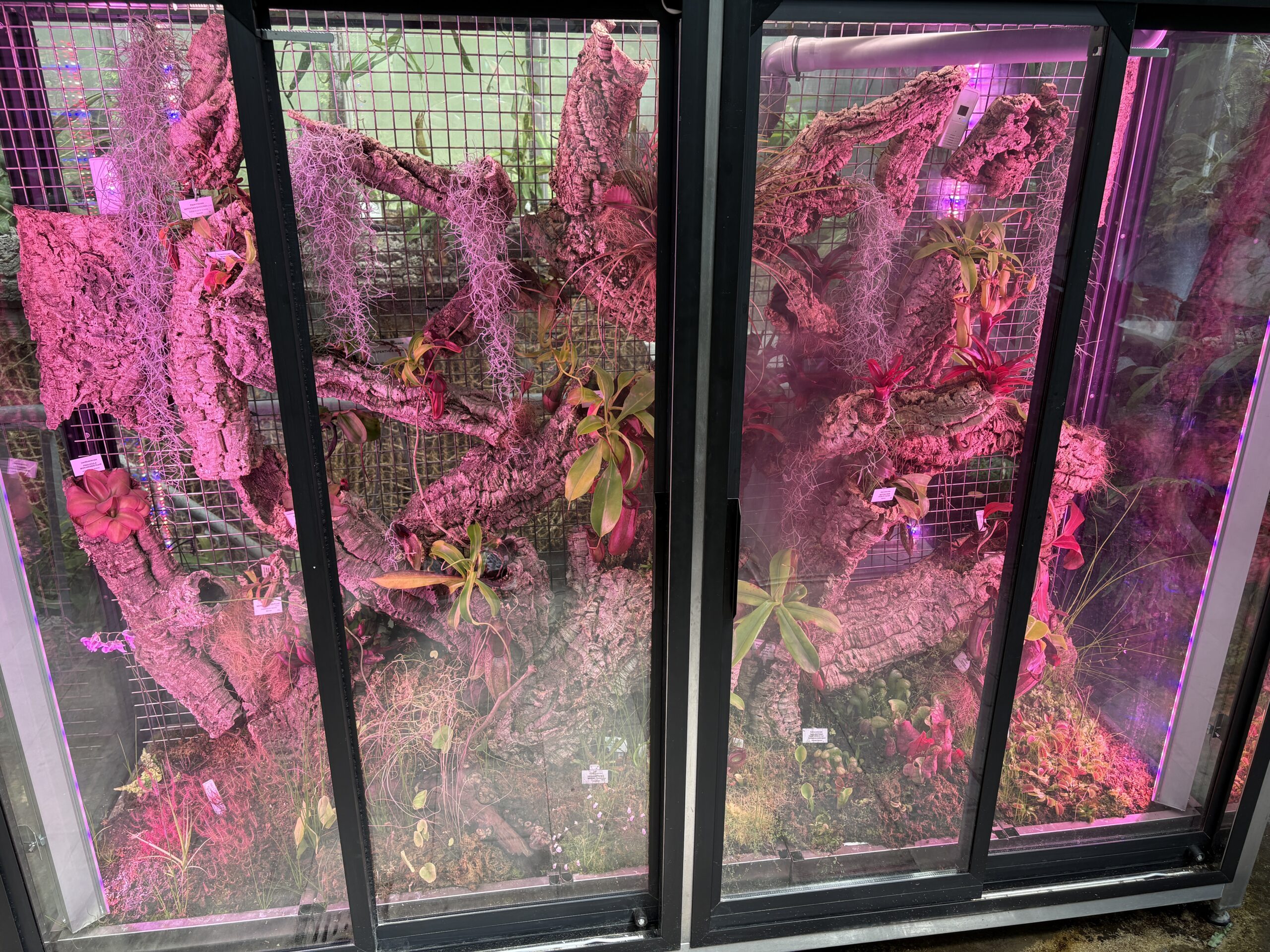
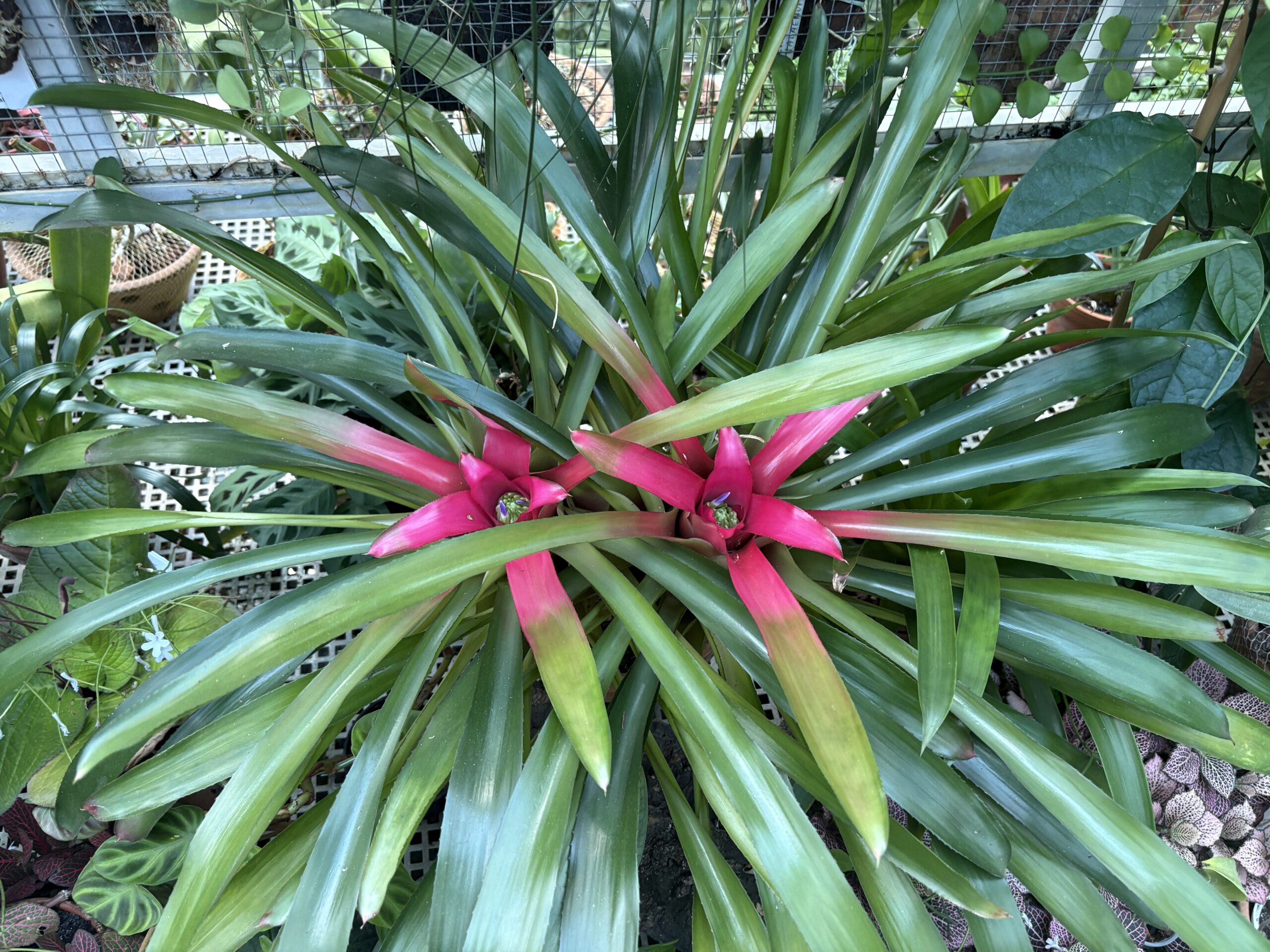
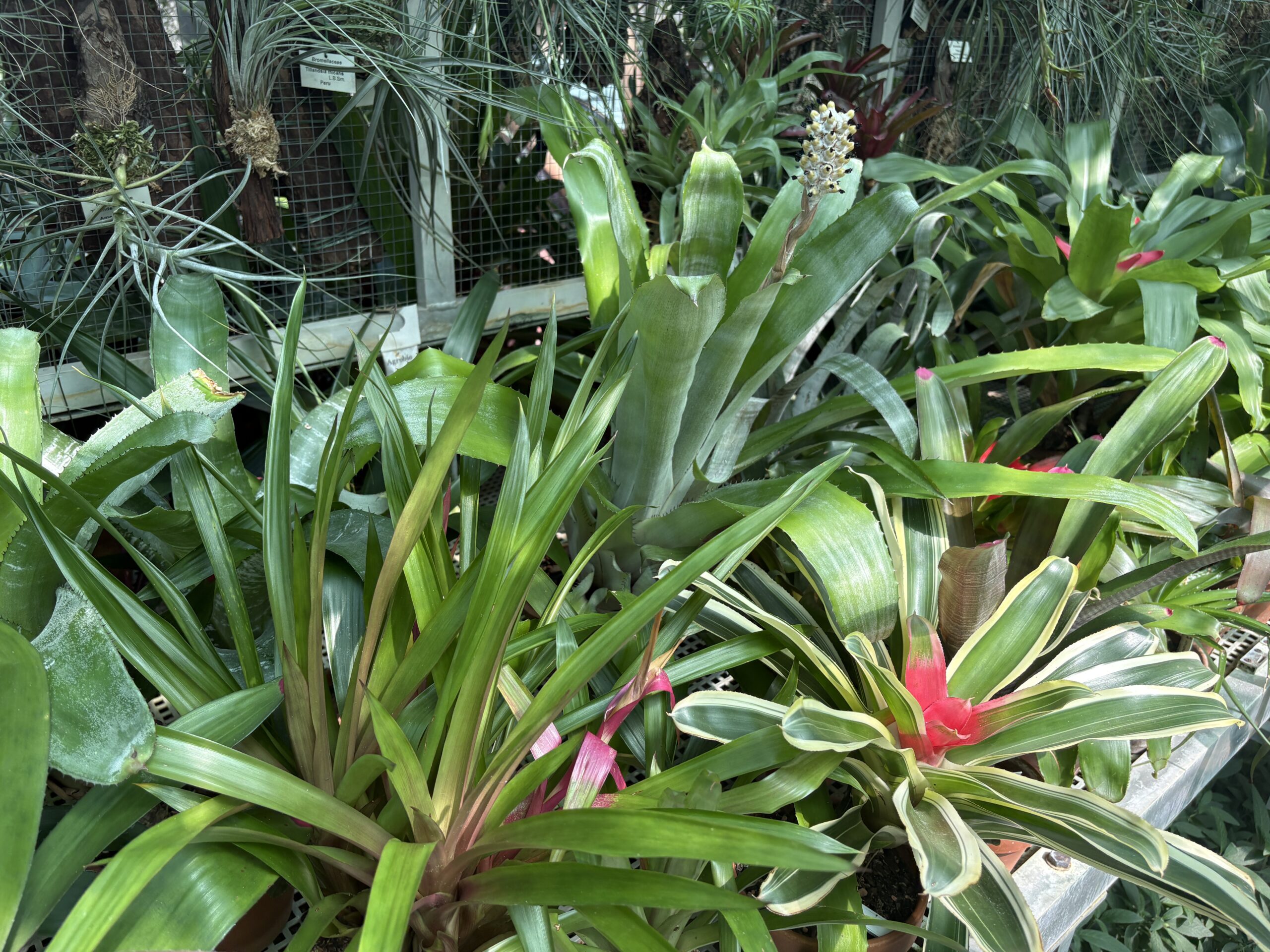
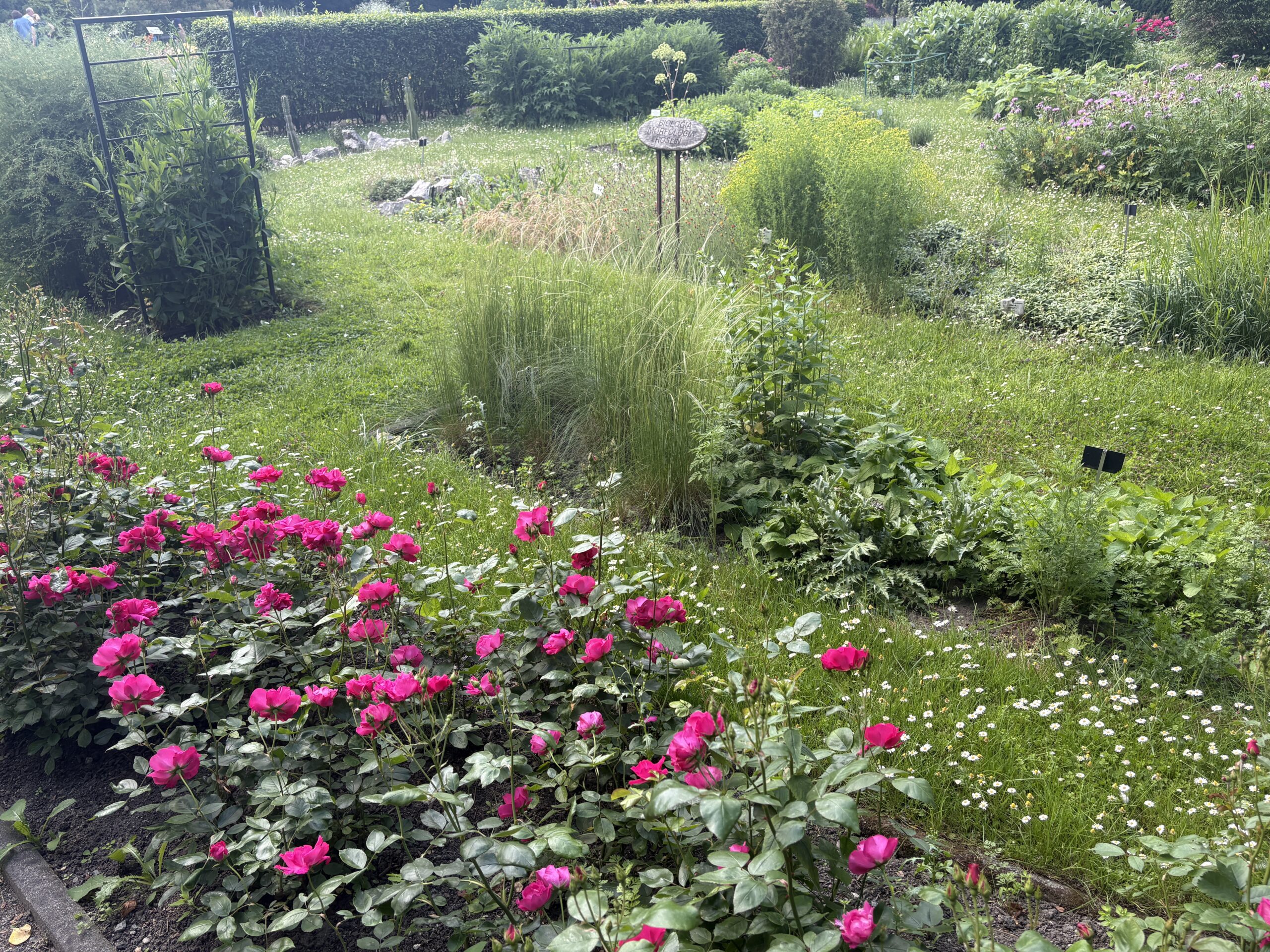
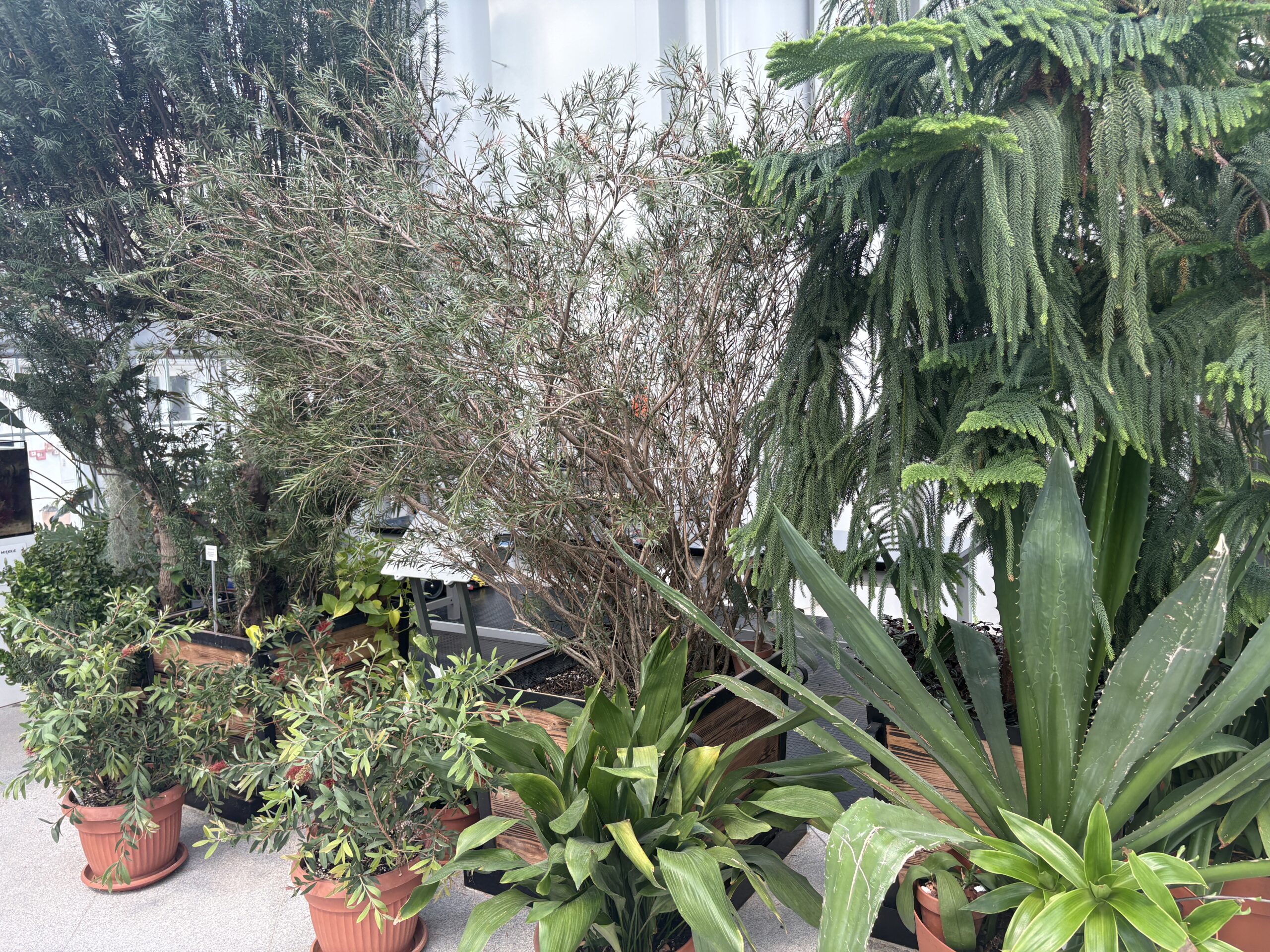
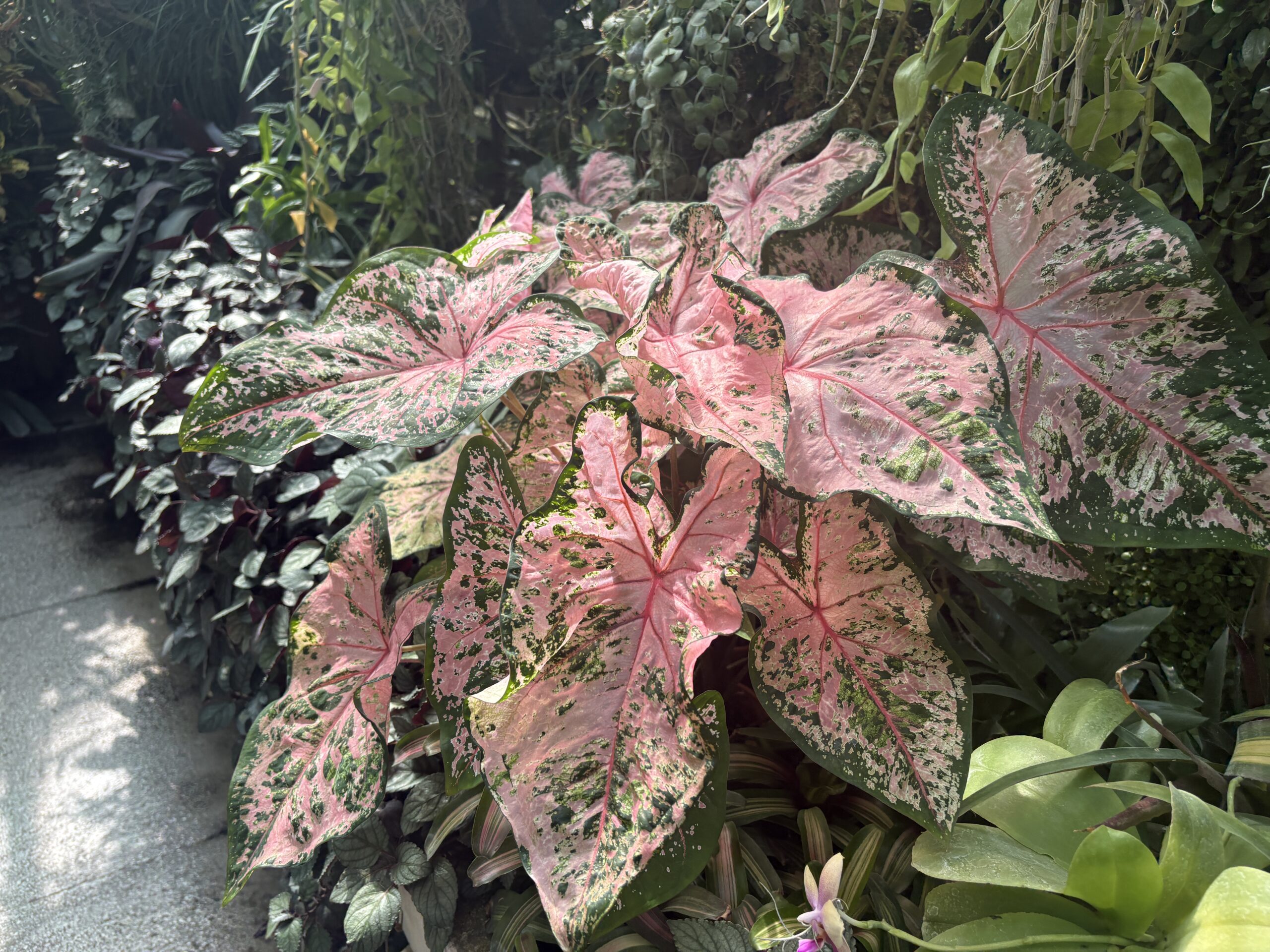
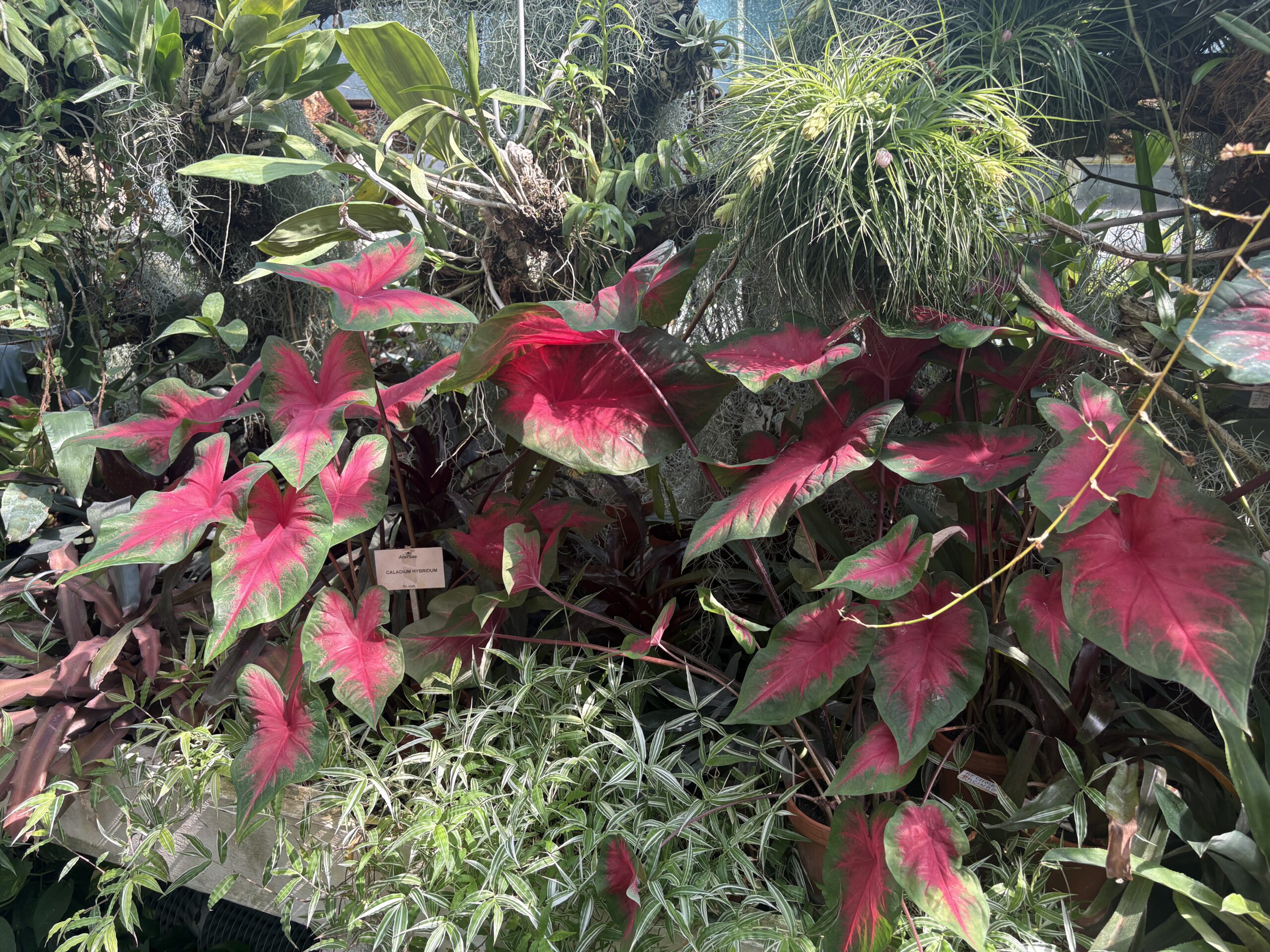
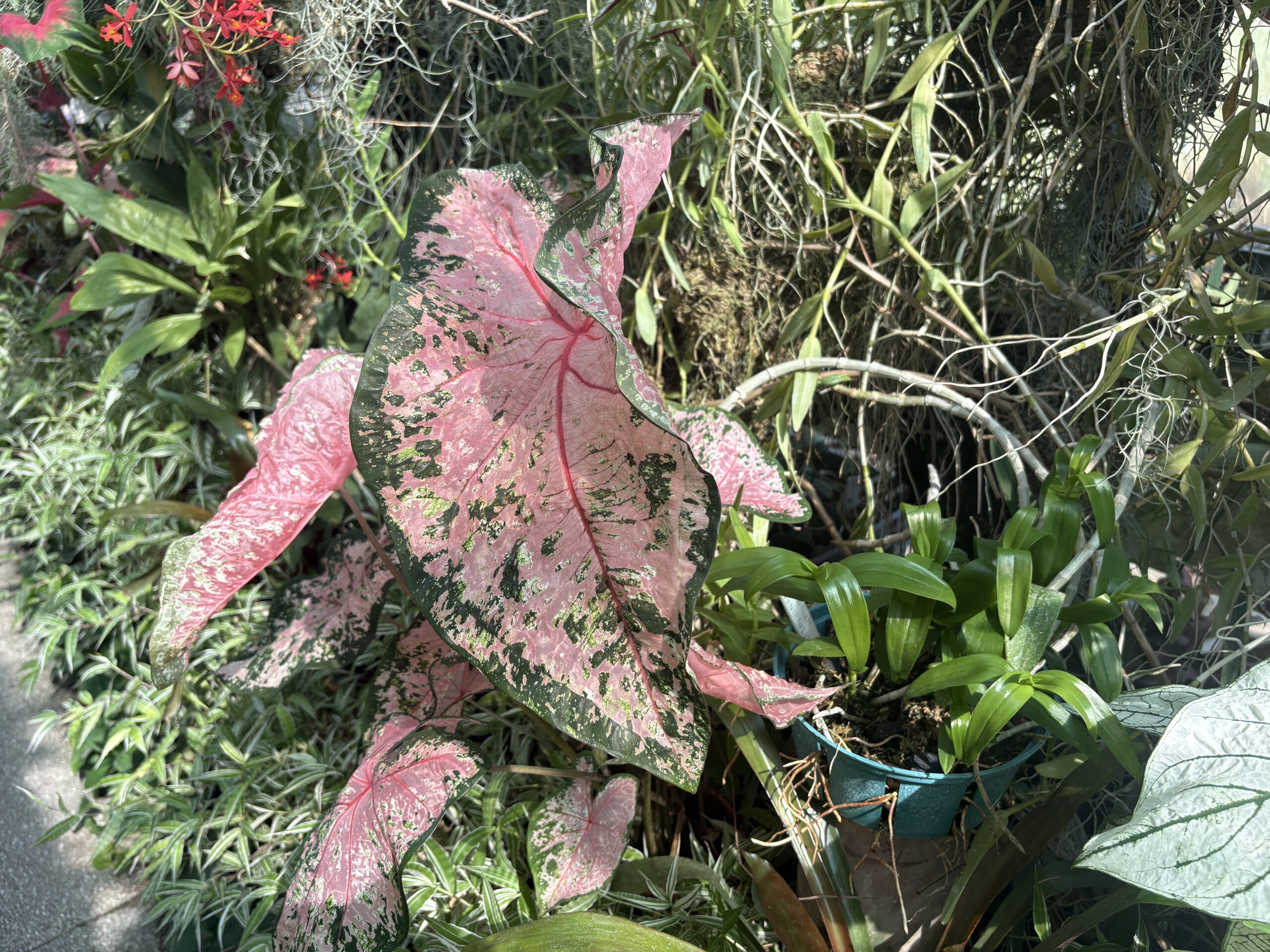
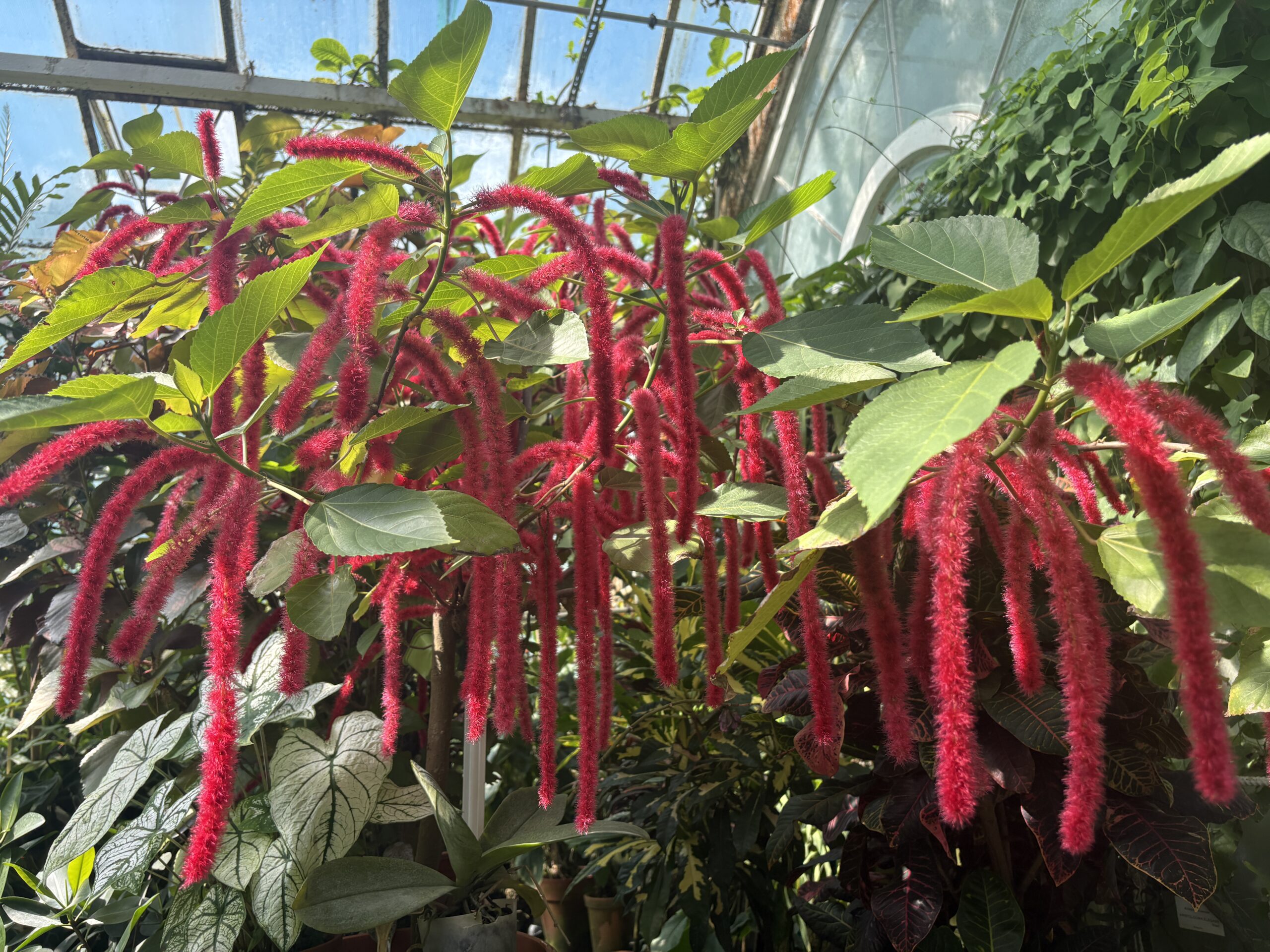
Please enjoy this sliding gallery of some of my other photos and let me know in the comments below if you’d like to see more sliding galleries like this. Please use the arrow keys to navigate through my photos.


If you liked this post and enjoy reading this blog, please consider supporting me on Patreon where you will also gain access to exclusive content. If you enjoy reading my blog, why not subscribe using the form below?




1 COMMENTS